

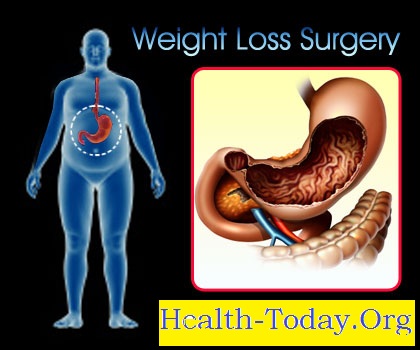
Weight loss surgery, also referred to as a bariatric surgery, can be described as a surgery is one option of treatment for people who want to slim down. However, it is not a solution for everyone, but usually it is meant for people who are borderline obese or obese.
Severe obesity is being increasingly recognized as a major health threat. Obesity becomes “morbid” when it reaches the point of significantly increasing the risk of development of other medical illnesses & even shortening of life span. Morbid obesity is a chronic disease, meaning that symptoms build slowly over a period of time. Diet and exercise alone are seldom effective in controlling this problem. It has become increasingly clear that those with morbid obesity may not be able to get their weight under significant control on their own without surgery.
Why Weight Loss Surgery Is For You?
Weight loss surgery might be recommended for people who have a BMI ranging from 35 to 40, and those who suffer from serious overweight health conditions such as serious sleep apnea, obesity-related heart disease, or diabetes. For some, the danger of death from not undergoing a surgery could be possibly bigger than the possible complications involved in undertaking the procedures. While doctors recommend natural weight loss over surgery, sometimes a person’s complications might be serious enough to warrant a quick fix.Many more people are going to take a cue from him and undergo surgery. Medical experts are of the opinion that severely obese people can get rid of type 2 Diabetes, depression and several other ailments that is caused by obesity.
Preparations For Weight Loss Surgery:
The success of medical therapy for severe obesity is limited. Despite this limited success, a medically supervised diet program is first tried on every severely obese patient. Consultation with an array of specialists is scheduled before the surgery:
It is necessary for persons to undergo a thorough certain examinations to determine eligibility for gastric bypass surgery such as:
- Medical
- Nutritional
- Psychiatric
These evaluations are done to protect the patient’s interests, and to give the surgical team proper information necessary for the procedure.
Patient getting admitted for the procedure will have to be prepared for:
- Admission one or two days prior to the surgery.
- Routine blood tests and urine tests will be undertaken on the patients.
- This is the time for the patient to clear all the leftover doubts with the surgeon about the surgery and its results.
- Breathing exercises should be practised to help in the postoperative period.
- Smoking should be given up.
- One should be prepared to stay on for a few days after surgery if there are any complications.
- In the morning of their surgery they are taken to the pre-operative room, where they change into a hospital gown and receive intra-venous (IV) fluids.
- Families can stay with the patient until they are taken to the operating theatre, at which time the family will be taken to the waiting room.
Weight Loss Surgery Benefits:
There are many people who believe that they need to go in for weight loss surgery, just in order to shed their extra pounds faster. However, there are several other benefits of weight loss surgery too, which should not be ignored. Some of the other advantages that have been associated with weight loss surgery include:
- Improving cardiovascular health
- Controlling diabetes
- Increasing self esteem
- Reducing mortality
Hence, it is safe to say that weight loss surgery, if performed and monitored correctly, with the right amount of support, can have a positive impact on a person’s overall health, appearance and sense of wellbeing.
Weight Loss Surgery Complications:
Like any other surgical procedure, there are certain weight loss surgery complications that may be experienced too. Some of the possible complications that may arise from weight loss surgery include:
- Hernia at the incision site
- Pneumonia
- Leaking at the surgical site
- Gastric dumping syndrome
What Is The Recovery After The Weight Loss Surgery?
Recovering from surgery and losing weight can be stressful and emotional, and it is important to have the support of family and friends. Working with a social worker, therapist, or support group can help you through the ups and downs. Recovery from weight loss surgery requires both a short-term plan and a long-term plan. To manage the effects of morbid obesity and bariatric surgery, your post-weight loss surgery care plan may involve several different types of health care professionals, who will work together to help ensure your overall health, manage your food addiction and provide a smooth transition to new day-to-day activities.
Weight loss surgery is a genuine life-changing experience. Changes in your life may include the ability to fully perform day-to-day activities, the reduction of your risk of disease, the possible resolution of some medical conditions and new opportunities for jobs or relationships. The benefits from weight loss surgery should outweigh the personal commitment and financial investment associated with the surgery and its aftercare. It is important to follow your surgeon’s instructions for a safe recovery and a long-term plan that will help you maintain the benefits of massive weight loss for the rest of your life.