


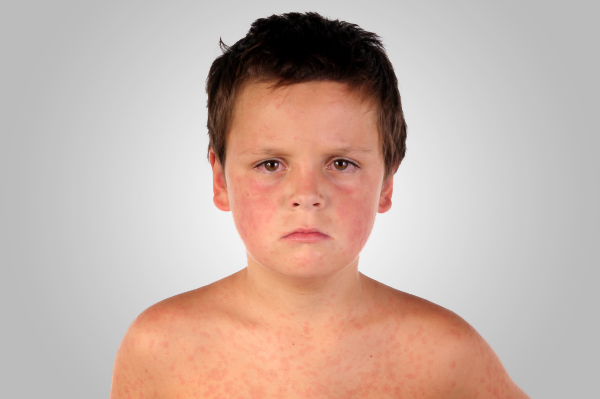
Measles, also known as rubeola or morbilli, is a highly contagious respiratory infection that’s caused by a virus. It causes a total-body skin rash and flu-like symptoms, including a fever, cough, and runny nose.
Types of Measles:
There are two types of measles each caused by a different type of virus. The Rubeola virus causes what is generally referred to as plain ‘measles’ and characterized by cough, cold, fever, and a skin rash all over the body. This is also known as hard measles and in rare occasions can lead to encephalitis or pneumonia that is life threatening. In general however, people recover from this strain of measles without any long lasting health problems. German measles is caused by the Rubella virus and while this is a minor infection often lasting for only three days or so, it can cause serious birth defects if you catch this disease when you are pregnant.
Causes for Measles:
Measles is caused by the measles virus i.e- Paramyxovirus. It is mostly seen in the winter and spring. The virus enters the body through the respiratory tract or the conjunctiva. Measles is endemic throughout the world.
Other main causes of measles includes:
- Personal contact is the main cause of measles because it is a contagious disease.
- Droplets from coughs and sneezes
- Immunodeficiency due to HIV/AIDS
- Malnutrition
- Vitamin A deficiency will lead to the condition of measles.
Sign And Symptoms of Measles:
The first symptoms of the illness usually develop 10-12 days after the exposure to virus and they include high fever, muscle pain and loss of appetite. This is accompanied with cough, runny nose and red eyes. Sometimes bluish grey spots may appear in the mouth, which are known as Koplik’s spots. However the most prominent feature of measles include a diffuse, reddish brown skin rash, which first erupts on forehead and then proceeds down the body to involve the limbs. The rash lasts for five to six days, and then fades with peeling of the skin. The fever generally subsides after the appearance of the rash.
You Might Also Like:
- Dizziness: Its Types, Causes, Symptoms And Treatment
- Swine flu (H1N1) :Its Causes, Symptoms and Treatment
- Meningitis: Its Causes, Symptoms, Diagnosis And Treatment
- Common Cold: Its Causes, Symptoms, Complications And Treatment
- Mumps: Its Causes, Symptoms, Complications And Treatment
- Malaria: Its Types, Causes, Risk Factors, Symptoms And Treatment
Diagnosis of Measles:
The diagnosis of measles is usually based upon the characteristic signs and symptoms presented by a sick person or child. A blood test reveals the reduced count of white blood cells and rarely, viral serology is needed to confirm measles. A blood test can detect the rubeola virus. In a lot of countries, the doctor has to inform the authorities about detected cases. An infected child’s school is also informed. The affected child should wait for a week before going back to school.
Exams and Tests:
- Measles serology
- Viral culture (rarely done)
Complications of Measles:
Very young kids, people with vitamin deficiency, leukemia or HIV/AIDS and those with weak immune system can suffer from measles complications. These complications include:
- Eye infection
- Vomiting
- Diarrhea
- Bronchitis and laryngitis
- Inflammation and infection of the inner ear
- Febrile convulsion – fits due to fever
- Pneumonia
Treatment of Measles:
No treatment can get rid of an established measles infection. However, some measures can be taken to protect vulnerable individuals who have been exposed to the virus.
- Post-exposure Vaccination: Nonimmunized people, including infants, may be given the measles vaccination within 72 hours of exposure to the measles virus, to provide protection against the disease. If measles still develops, the illness usually has milder symptoms and lasts for a shorter time.
- Immune serum globulin: Pregnant women, infants and people with weakened immune systems who are exposed to the virus may receive an injection of proteins (antibodies) called immune serum globulin. When given within six days of exposure to the virus, these antibodies can prevent measles or make symptoms less severe.
Medications:
- Fever Reducers: You or your child may also take over-the-counter medications such as acetaminophen (Tylenol, others), ibuprofen (Advil, Motrin, others) or naproxen (Aleve) to help relieve the fever that accompanies measles. Don’t give aspirin to children because of the risk of Reye’s syndrome — a rare but potentially fatal disease.
- Antibiotics: If a bacterial infection, such as pneumonia or an ear infection, develops while you or your child has measles, your doctor may prescribe an antibiotic.
- Vitamin A: People with low levels of vitamin A are more likely to have a more severe case of measles. Giving vitamin A may lessen the severity of the measles. It’s generally given as a large dose of 200,000 international units (IU) for two days.