

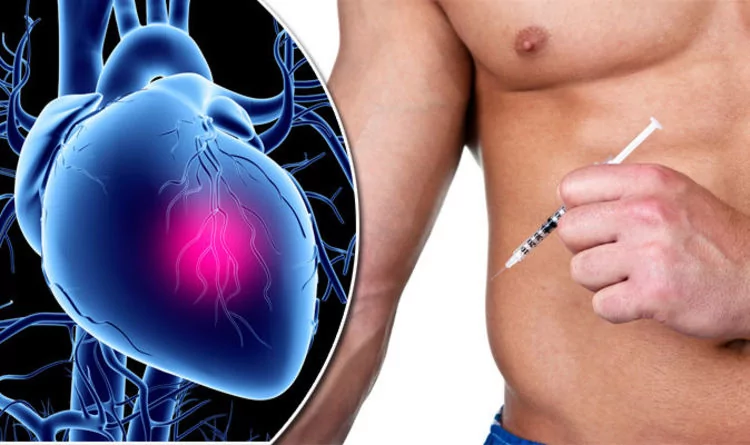
The pursuit of muscle often focuses on the scale, the mirror, and the barbell. But what if the most significant changes from anabolic-androgenic steroid (AAS) use are occurring silently in the one place you can’t see—your cardiovascular system? This isn’t about temporary high blood pressure or a transient lipid spike. This is about progressive, structural damage that accumulates with each cycle and can lead to premature heart attack, stroke, or heart failure, even years after you stop.
While other organs may recover, the heart and blood vessels bear lasting scars. Understanding this “cardiovascular cost” is essential for anyone weighing the inevitable trade-offs of a steroid cycle.
The Lipid Catastrophe: Laying the Foundation for Atherosclerosis
Steroids don’t just cause “bad cholesterol.” They create the perfect storm for rapid plaque buildup (atherosclerosis) inside your arteries.
- Disabling the Cleanup Crew (Crashing HDL): AAS dramatically suppress HDL (“good”) cholesterol. HDL’s critical job is reverse cholesterol transport—it scavenges excess plaque from artery walls and carries it to the liver for disposal. Low HDL means your arteries lose their primary maintenance crew.
- Flooding the Zone with Damaging Particles (Rising LDL): Simultaneously, AAS increase LDL (“bad”) cholesterol, particularly the small, dense, oxidized particles that easily burrow into the arterial wall and ignite inflammation.
- The Result: Accelerated Aging of Your Arteries. This combination—rampant plaque delivery with disabled plaque removal—dramatically speeds up a process that normally takes decades. Studies of former AAS users show coronary plaque burdens equivalent to men 10-20 years older. The American Heart Association identifies dyslipidemia as a major, modifiable risk factor for heart disease.
Structural Damage: Left Ventricular Hypertrophy (LVH) – The Enlarged, Stiffened Heart
Your heart muscle adapts to the chronic stress of steroid use, but not in a healthy way. This leads to Left Ventricular Hypertrophy (LVH)—a thickening of the heart’s main pumping chamber.
- Causes Under Pressure:
- Hypertension: Thickened blood (high hematocrit) and water retention force the heart to pump against greater resistance.
- Direct Androgenic Stimulation: Androgen receptors in heart tissue may directly trigger abnormal growth of heart muscle cells.
- Pathological vs. Physiological: This is not the efficient “athlete’s heart” seen in endurance athletes. AAS-induced LVH is often disproportionate and fibrotic. The muscle becomes thicker but also stiffer and weaker, impairing its ability to fill with and pump blood effectively.
- The Dangerous Legacy: A thickened, scarred heart is a prime substrate for heart failure (inefficient pumping) and life-threatening arrhythmias (electrical instability that can cause sudden cardiac arrest).

The Inflammatory Storm and Endothelial Assault
Damage occurs at the microscopic level long before a major cardiac event.
- Chronic Inflammation: AAS promote a systemic pro-inflammatory state. Inflammation acts as the “spark” that turns lodged LDL cholesterol into a dangerous, unstable plaque prone to rupture and cause a heart attack.
- Endothelial Dysfunction: The endothelium is the delicate, single-cell lining of all your blood vessels. It controls blood vessel dilation, prevents clotting, and blocks inflammation. AAS impair this function, leaving vessels prone to constriction, clot formation, and easier plaque adhesion. This dysfunction is a key early step in cardiovascular disease.
The Hematological Hazard: Thick Blood and Clots
High testosterone stimulates the bone marrow to overproduce red blood cells, leading to polycythemia (high hematocrit).
- Acute Risk: Thick, sludgy blood drastically increases the risk of venous thromboembolism (VTE), including deep vein thrombosis (DVT) and pulmonary embolism (PE)—sudden, potentially fatal blood clots. This is an immediate danger on-cycle.
- Chronic Stress: The heart must work much harder, like pumping syrup instead of water, contributing to sustained hypertension and the development of LVH.
The Legacy: Long-Term Risks in Former Users
The most compelling—and frightening—evidence comes from studies on former AAS users. The damage doesn’t simply vanish when the cycle ends.
Research indicates former users have a significantly higher lifetime incidence of:
- Premature coronary artery disease and early heart attack.
- Cardiac fibrosis (scarring) and impaired heart function visible on advanced imaging.
- Electrical abnormalities and arrhythmias.
The pathological groundwork for a cardiovascular “time bomb” is often laid in your 20s and 30s, with the detonation—a heart attack or stroke—occurring in your 40s, 50s, or 60s.
Monitoring and (Limited) Mitigation
Detection is possible; reversal is extremely difficult.
- Advanced Imaging is Key: Standard blood pressure checks and ECGs are insufficient. To see the damage, you need tests like a Coronary Artery Calcium (CAC) Scan (quantifies plaque) or a Cardiac MRI (assesses heart muscle thickness, scarring, and function). These should be part of long-term health monitoring for any serious user or former user.
- Mitigation is Damage Control:
- Aggressive Lipid Management: This may require prescription statins or other lipid-lowering drugs under a cardiologist’s care.
- Lifelong Blood Pressure Control: Medication and lifestyle changes become permanent.
- Irreversible Lifestyle Commitment: Permanent dedication to cardio, an impeccable heart-healthy diet, and avoiding all other risks (like smoking).
- The Reality: These measures manage risk factors and can slow progression, but they do not reverse existing arterial plaque or myocardial fibrosis.

Conclusion: The Ultimate, Permanent Trade-Off
Every cycle is an investment in future cardiovascular disease. The price is not temporary; it’s a down payment on a heart that is older, less efficient, and more vulnerable than the rest of you.
This is perhaps the most definitive argument against the myth of a “safe” cycle. You can manage other side effects, you might recover your hormones (or face lifelong TRT), but you cannot cycle back time in your arteries or unscar your heart muscle.
The choice is stark: are the transient trophies of size and strength worth a heart that may fail you decades early? The most important muscle you build should sustain your life, not shorten it. Choose with the full knowledge that the cardiovascular cost is the most permanent your body can pay, a debt that compounds in silence until it demands payment in full.