

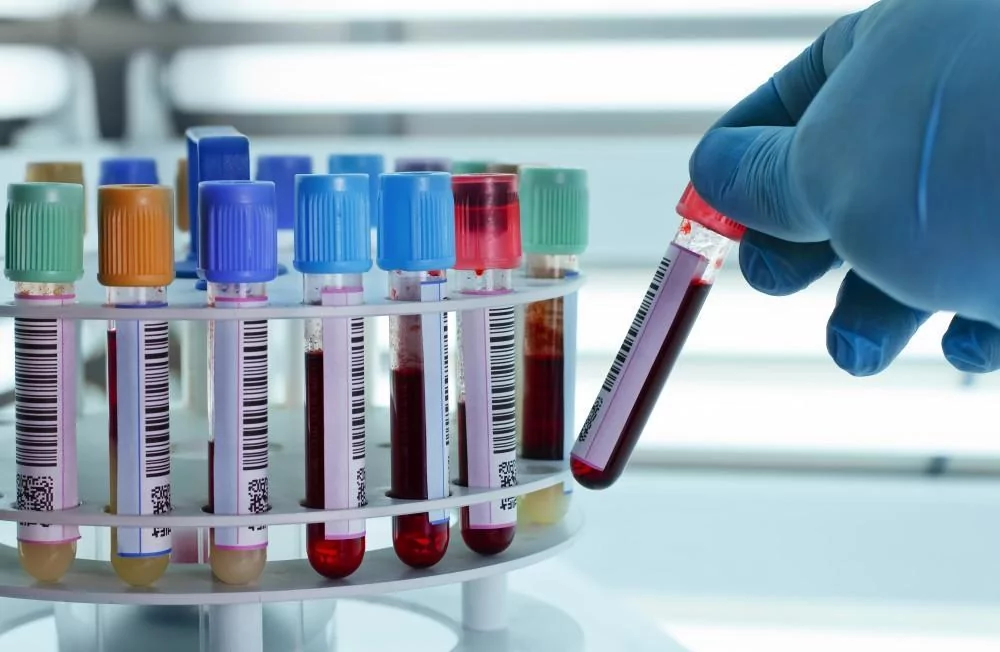
Imagine driving a high-performance car at top speed, but your dashboard is blank. You have no idea about your engine temperature, oil pressure, or fuel level. You only know something is wrong when the engine seizes or you crash. Running an anabolic-androgenic steroid (AAS) cycle without regular blood work is exactly that: a blind, dangerous gamble with your body’s most vital systems.
While online forums are saturated with debates over ester lengths and ideal dosing, the single most critical element of responsible performance enhancement is not a drug—it’s data. Comprehensive blood work is the non-negotiable foundation. It transforms your cycle from a reckless experiment into a monitored protocol, giving you the power to make informed decisions and potentially avert long-term damage. This guide details the essential panels you need, when to get them, and how to interpret the results.
The Blood Work Mindset: From Bro-Science to Data-Driven Decisions
Before diving into specific tests, a fundamental shift in thinking is required. Blood work is not an optional “check-up” for the paranoid; it is the control panel for the complex biological experiment you are conducting on yourself.
This approach is built on three pillars:
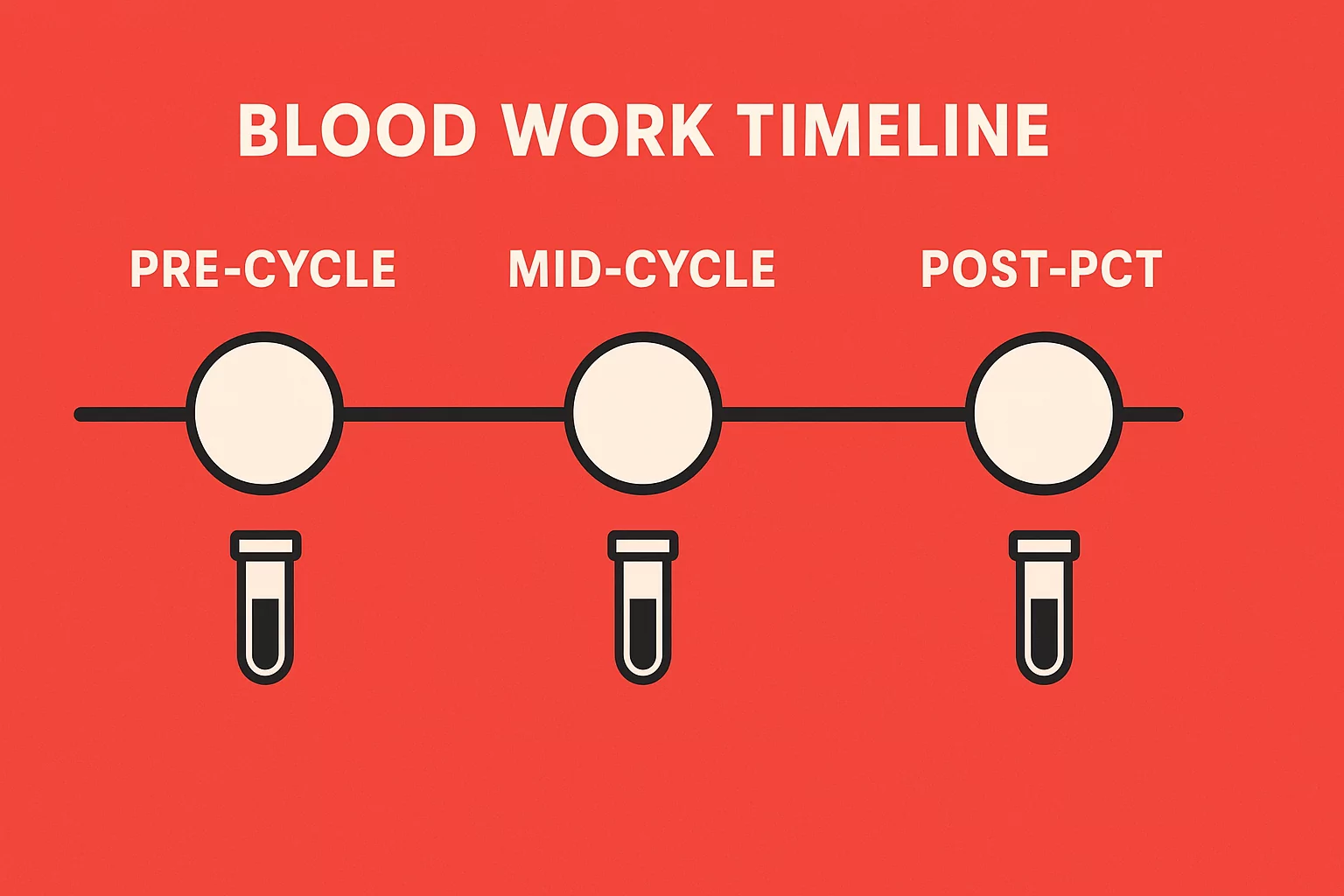
- Baseline (Pre-Cycle): Your personal “normal.” Without this snapshot of your health before starting, you cannot accurately interpret changes later. It’s your only point of reference.
- Mid-Cycle (The Health Monitor): Your early-warning system. This check, typically 6-8 weeks into a cycle, can reveal adverse trends like crashing cholesterol or rising liver enzymes before they become symptomatic crises.
- Post-Cycle & Recovery (The Audit): This assesses the damage and measures recovery. Critical tests taken weeks after your Post Cycle Therapy (PCT) determine if your body is truly returning to homeostasis.
Dismissing blood work due to cost or inconvenience is a false economy. The price of a premium panel is a fraction of the cost of managing a heart condition, liver disease, or permanent hormonal dysfunction.
The Essential Panels: Decoding Your Health Dashboard
Here are the critical blood markers you must monitor, explained in practical terms.
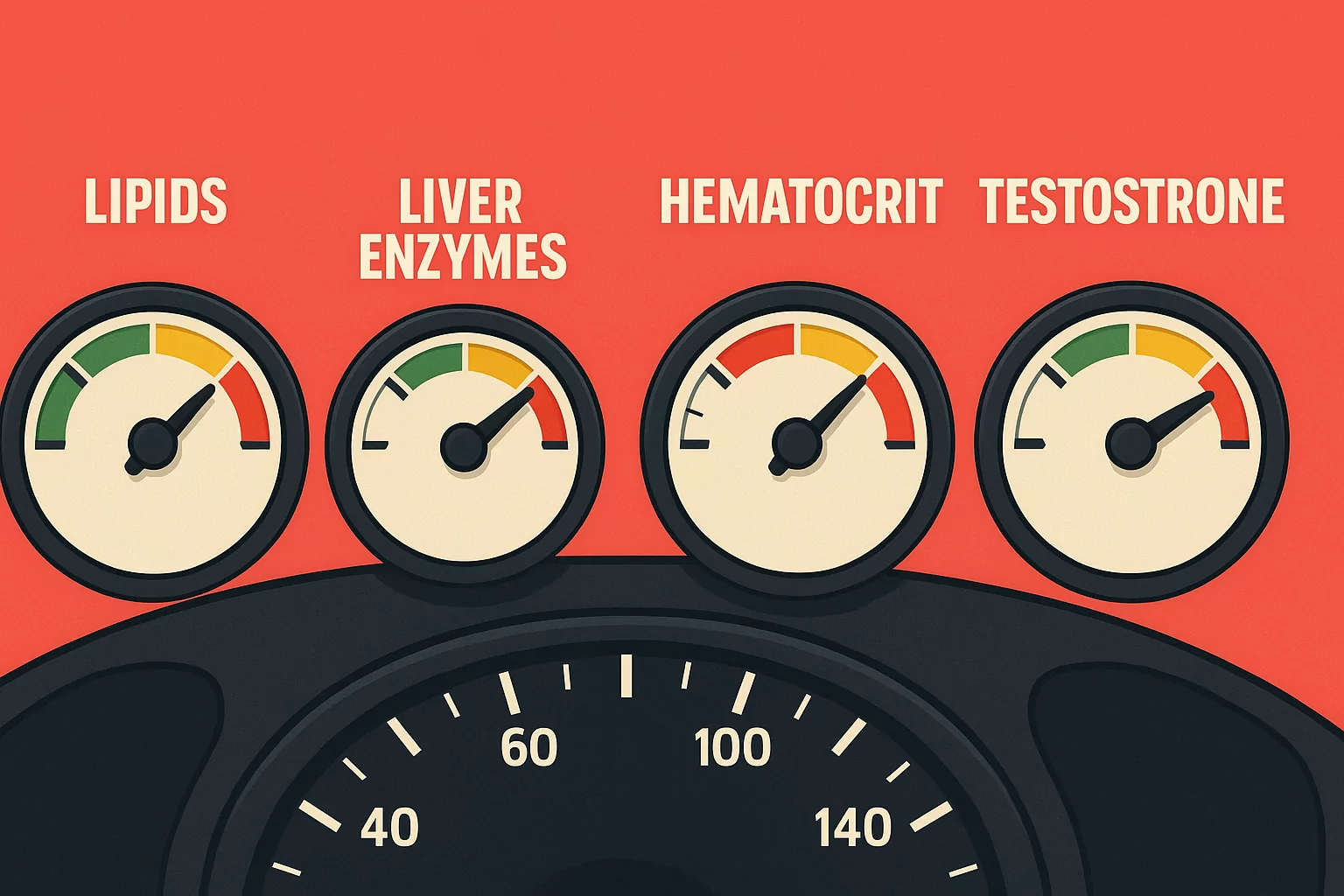
1. The Cardiovascular Panel: Your Heart’s Report Card
This is arguably the most important panel for long-term AAS users, as cardiovascular strain is one of the most significant inevitable trade-offs.
- Lipid Profile (Cholesterol):
- HDL (“Good” Cholesterol): Often plummets dramatically on cycle. HDL acts as a scavenger, removing plaque from artery walls. Low HDL is a major independent risk factor for heart disease.
- LDL (“Bad” Cholesterol) & Triglycerides: These frequently rise. LDL deposits plaque in arteries, while high triglycerides contribute to inflammation and hardening of the arteries.
- Why AAS Affect It: Androgens alter the activity of key enzymes (like hepatic lipase) that regulate cholesterol metabolism, leading to this unfavorable profile.
2. The Hepatic Panel: Your Liver’s Stress Gauge
Your liver processes everything, including oral steroids and the metabolic byproducts of injectables.
- Liver Enzymes (ALT, AST): These are released into the bloodstream when liver cells are damaged or stressed.
- The Key Distinction: Mild elevation (2-3 times the upper limit) is common and indicates the liver is working hard. Severe elevation (5-10x+) signals significant injury and requires immediate attention.
- Oral vs. Injectable: Oral steroids (C17-aa alkylated) are directly hepatotoxic. Injectables primarily cause indirect strain. The National Institute of Diabetes and Digestive and Kidney Diseases provides clear information on liver enzyme tests and their significance.
3. The Hematological Panel: How Thick Is Your Blood?
- Complete Blood Count (CBC) – Hematocrit (HCT): Testosterone stimulates the production of red blood cells (erythropoiesis). Elevated hematocrit means your blood has thickened.
- The Danger: Thick blood increases blood pressure, forces your heart to work harder, and drastically raises the risk of blood clots, stroke, and heart attack.
- The Action: Donating blood (therapeutic phlebotomy) is a common method to lower high hematocrit (>52-54%).
4. The Hormonal & Organ-Specific Panels
- Testosterone & Estradiol (Sensitive Assay):
- On-Cycle: Confirms your dosage is providing supra-physiological levels and helps you manage estrogen. The “sensitive” test is crucial for accurate reading in men.
- Post-Cycle: The definitive measure of whether your HPTA axis has recovered after PCT.
- PSA (Prostate-Specific Antigen): For men over 40 or with a family history, this is critical. Androgens stimulate prostate tissue, and a rising PSA can be an early sign of prostatic hyperplasia (enlargement) or inflammation.
- Kidney Function (eGFR, Creatinine): High blood pressure from elevated HCT, a high-protein diet, and some compounds can stress kidney filtration.
The Testing Timeline: When to Pull the Data
A strategic timeline is as important as the tests themselves.
- Baseline: 2-4 weeks before your cycle begins. This is your gold standard reference.
- Mid-Cycle: At the 6-8 week mark. This is your intervention point to adjust diet, add cardio, donate blood, or reconsider compound choices.
- Post-Cycle Audit: 6-8 weeks after completing PCT. Do not test immediately after PCT. This test shows if your body is sustaining its own hormone production and recovering health markers.
From Numbers to Action: A Basic Interpretation Framework
Use this simple guide to contextualize your results. This is for personal risk assessment, not medical advice.
- Green Zone (Within Normal Range): Proceed with caution and continue monitoring. Maintain health protocols.
- Yellow Zone (Mild-Moderately Out of Range): Time for intervention. Examples: HDL at 28 (low), ALT at 80 (2x high), HCT at 52%. Actions may include increasing cardio, adding fish oil/niacin, donating blood, or adjusting your AI dose.
- Red Zone (Severely Out of Range): Indicates a potential health emergency. Examples: HDL <20, ALT/AST >200, HCT >56%. Seriously consider stopping the cycle and consult a healthcare professional.
How to Get Tested: Navigating the System
For most, the easiest path is direct-to-consumer lab testing from services like Private MD Labs or LetsGetChecked. You order a panel online, get drawn at a local lab (e.g., LabCorp, Quest), and receive results privately. Look for comprehensive “Men’s Health” or “Hormone” panels and customize them to include the essentials listed above.
Conclusion: The Foundation of True Responsibility
In the pursuit of physical enhancement, blood work is your anchor to reality. It provides an objective measure of the side effects of steroids playing out beneath the surface. The most impressive cycle is a failure if it leaves your lipid profile in ruins, your blood dangerously thick, or your hormones permanently suppressed.
Let this be the non-negotiable standard: If you are not willing or financially prepared to obtain comprehensive blood work at least twice per cycle, you are not responsible enough to use AAS. This data empowers you to survive your choices and thrive in the long term. It is the single most important investment you can make in your health, far surpassing the cost of any drug or supplement. Start with the blood work, and let the data guide your journey.