

Close Menu
Health Today
    Latest Articles

    The Definitive MOTS-C Dosing Guide: Protocol for Fat Loss and Performance

    What is GHK-Cu? The Ultimate Guide to Benefits, Dosing, and Uses

    How Trans Fat Increase Our Cholesterol

    Cardiovascular Cost: How Steroids Permanently Damage Your Heart

    The Endocrine Aftermath: Could You Be on TRT for Life?

    Natural Maximization: How to Optimize Your Testosterone Without Drugs

    Facebook X (Twitter) Instagram
    X (Twitter) Pinterest Vimeo Mastodon
    Health Today
    • Home
    • Bodybuilding
      1. Anabolic Steroids
      2. Peptides
      3. Workouts
      4. View All

      Cardiovascular Cost: How Steroids Permanently Damage Your Heart

      December 10, 2025

      The Endocrine Aftermath: Could You Be on TRT for Life?

      December 10, 2025

      Natural Maximization: How to Optimize Your Testosterone Without Drugs

      December 10, 2025

      SARMs vs. Steroids: A Clear-Eyed Comparison of Risks and Promises

      December 10, 2025

      The Definitive MOTS-C Dosing Guide: Protocol for Fat Loss and Performance

      December 11, 2025

      What is GHK-Cu? The Ultimate Guide to Benefits, Dosing, and Uses

      December 11, 2025

      Hexarelin Explained: The Most Potent GHRP

      December 9, 2025

      Peptides for Cutting: Is Retatrutide the Final Boss?

      December 9, 2025

      Nargis Fakhri Workout And Diet

      January 14, 2021

      Alicia Keys Workout And Diet

      January 12, 2020

      Aamir Khan Workout And Diet

      April 11, 2012

      Celine Dion Workout And Diet

      April 9, 2012

      The Definitive MOTS-C Dosing Guide: Protocol for Fat Loss and Performance

      December 11, 2025

      What is GHK-Cu? The Ultimate Guide to Benefits, Dosing, and Uses

      December 11, 2025

      Cardiovascular Cost: How Steroids Permanently Damage Your Heart

      December 10, 2025

      The Endocrine Aftermath: Could You Be on TRT for Life?

      December 10, 2025
    • Celebs

      Nargis Fakhri Workout And Diet

      January 14, 2021

      Alicia Keys Workout And Diet

      January 12, 2020

      Aamir Khan Workout And Diet

      April 11, 2012

      Celine Dion Workout And Diet

      April 9, 2012

      Malaika Arora Khan Workout And Diet

      April 4, 2012
    • Common Disease
      1. Anemia
      2. Cellulitis
      3. Cold & Flu
      4. Dizziness
      5. Genital Herpes
      6. Hookworm
      7. Impetigo
      8. Influenza (Flu)
      9. Keratitis
      10. Malaria
      11. Mastitis
      12. Measles
      13. Meningitis
      14. Mumps
      15. Pneumonia
      16. Sinusitis
      17. Sore Throat
      18. Stomatitis
      19. Warts
      20. View All

      Anemia: Its Causes, Sign And Symptoms, Diagnosis And Treatment

      December 11, 2011

      Cellulitis: Its Causes, Symptoms, Complications And Treatments

      December 10, 2011

      Dizziness: Its Types, Causes, Symptoms And Treatment

      December 11, 2011

      Genital Herpes: Its Causes, Symptoms, Diagnosis And Treatment

      December 11, 2011

      Hookworm: Its Causes, Symptoms, Tests And Treatment

      December 10, 2011

      Impetigo: Its Types, Causes, Risk Factors, Symptoms And Treatment

      December 11, 2011

      Influenza: Its Causes, Symptoms, Diagnosis And Treatments

      December 9, 2011

      Keratitis: Its Types, Causes, Symptoms, Diagnosis And Treatment

      December 12, 2011

      Malaria: Its Types, Causes, Risk Factors, Symptoms And Treatment

      December 10, 2011

      Mastitis: Its Types, Causes, Symptoms, Diagnosis And Treatment

      December 12, 2011

      Measles: Its Types, Causes, Symptoms And Treatment

      December 12, 2011

      Meningitis: Its Causes, Symptoms, Diagnosis And Treatment

      December 10, 2011

      Mumps: Its Causes, Symptoms, Complications And Treatment

      December 10, 2011

      Sinusitis: Its Causes, Risk Factors, Symptoms, Tests And Treatment

      December 12, 2011

      Sore Throat: Its Types, Causes, Symptoms, Diagnosis And Treatment

      December 10, 2011

      Stomatitis: Its Types, Causes, Symptoms And Treatment

      December 12, 2011

      Warts: Its Types, Causes, Symptoms And Treatment

      December 11, 2011

      Sinusitis: Its Causes, Risk Factors, Symptoms, Tests And Treatment

      December 12, 2011

      Keratitis: Its Types, Causes, Symptoms, Diagnosis And Treatment

      December 12, 2011

      Mastitis: Its Types, Causes, Symptoms, Diagnosis And Treatment

      December 12, 2011

      Stomatitis: Its Types, Causes, Symptoms And Treatment

      December 12, 2011
    • Lifestyle

      Top 9 Secrets of Happiness

      April 9, 2012

      A To Z Steps of Motivation

      December 11, 2011
    Contact
    Health Today
    You are at:Home » Impetigo: Its Types, Causes, Risk Factors, Symptoms And Treatment
    Impetigo

    Impetigo: Its Types, Causes, Risk Factors, Symptoms And Treatment

    By Doc. MiDecember 11, 2011Updated:December 11, 2025No Comments5 Mins Read2 Views
    Facebook Twitter Pinterest Telegram LinkedIn Tumblr Email Reddit
    Impetigo
    Share
    Facebook Twitter LinkedIn Pinterest WhatsApp Email

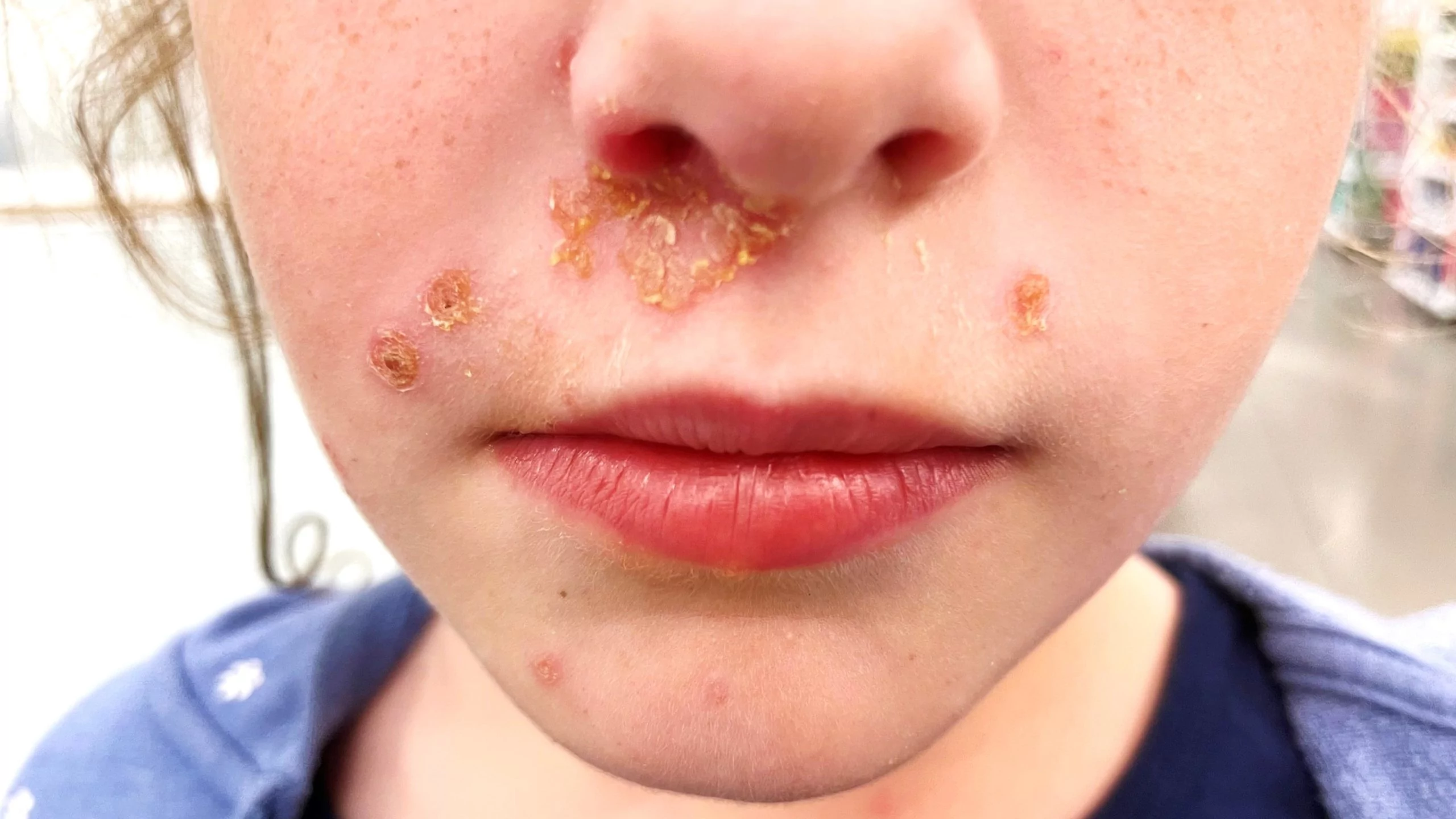
    Impetigo is a superficial skin infection that occurs in nonbullous and bullous (elevated lesions) forms. Beta-hemolytic streptococcus usually produces nonbullous impetigo. Coagulase-positive staphylococcus aureus usually causes bullous impetigo.Impetigo is one of the most common skin infections in children. It can occur in adults but is seen far more often in children. Impetigo is contagious and can be spread to others through close contact or by sharing towels, sheets, clothing, toys, or other items. Scratching can also spread the sores to other parts of the body.

    Types of Impetigo:

    There are three types of impetigo:

    1. bullous impetigo – which causes large, painless, fluid-filled blisters.
    2. non-bullous impetigo – which is more contagious than bullous impetigo and causes sores that quickly rupture (burst) to leave a yellow-brown crust.
    3. Ecthyma – This more serious form of impetigo penetrates deeper into the skin’s second layer (dermis).

    Impetigo can also be classed as:

    • primary – where bacteria enters skin that is otherwise healthy – for example, through a cut or wound.
    • secondary – where the infection is the result of another underlying cause, such as atopic eczema.
    1. Impetigo contagiosa: It also known as nonbullous impetigo. The most common form of impetigo is impetigo contagiosa, which usually starts as a red sore on your child’s face, most often around the nose and mouth. The sore ruptures quickly, oozing either fluid or pus that forms a honey-colored crust. Eventually the crust disappears, leaving a red mark that heals without scarring. Impetigo sores may be itchy, but they aren’t painful. Your child isn’t likely to have a fever with this type of impetigo but may have swollen lymph nodes in the affected area. And because it’s highly contagious, just touching or scratching the sores can spread the infection to other parts of the body.
    2. Bullous impetigo:  This type primarily affects infants and children younger than 2 years. It causes painless, fluid-filled blisters — usually on the trunk, arms and legs. The skin around the blister is usually red and itchy but not sore. The blisters, which break and scab over with a yellow-colored crust, may be large or small, and may last longer than sores from other types of impetigo.
    3. Ecthyma: This more serious form of impetigo penetrates deeper into the skin’s second layer (dermis). Signs and symptoms include painful fluid- or pus-filled sores that turn into deep ulcers, usually on the legs and feet. The sores break open and scab over with a hard, thick, gray-yellow crust. Scars can remain after the sores heal. Ecthyma can also cause swollen lymph nodes in the affected area.

    Causes And Risk Factors of Impetigo:

    Impetigo is caused by one or both of the following types of bacteria:

    • Group A Streptococcus
    • Staphylococcus

    These bacteria are normally found on the skin and in the nose. When small cuts, scratches, or insect bites occur, these bacteria can get under the skin. There they can cause infection. Impetigo is often spread from person to person.

    Factors that increase your chance for impetigo include:

    • Age: preschool and school-aged children
    • Touching a person with impetigo
    • Touching the clothing, towels, sheets, or other items of a person with impetigo
    • Poor hygiene, particularly unwashed hands and dirty fingernails
    • Crowded settings where there is direct person-to-person contact, such as schools and the military
    • Warm, humid environment
    • Seasonal: Summer
    • Poor health or weakened immune system
    • Tendency to have skin problems such as Eczema, Poison Ivy, Poison Oak, Poison Sumac, or skin allergy
    • Cuts, scratches, Insect Bites and Stings , or other injury or trauma to the skin
    • Chickenpox
    • Lice infections

    Symptoms of Impetigo:

    • A single or possibly many blisters filled with pus; easy to pop and — when broken — leave a reddish raw-looking base (in infants)
    • Itching blister:
      1. Filled with yellow or honey-colored fluid
      2. Oozing and crusting over
    • Rash — may begin as a single spot, but if person scratches, it may spread to other areas
    • Skin lesions on the face, lips, arms, or legs, that spread to other areas
    • Swollen lymph nodes near the infection (lymphadenopathy)

    Treatment of Impetigo:

    The key to treating  and preventing to impetigo is good personal hygiene and a clean environment. Once the infection occurs, prompt attention will keep it under control and prevent its spread.

    Treatments include:

    • Hygienic measures: Sometimes your doctor may choose to treat minor cases of impetigo with only hygienic measures. Keeping the skin clean can help mild infections heal on their own.
    • Topical antibiotics: Your doctor may prescribe a prescription antibiotic that you apply to the affected areas (topical antibiotic), such as the ointments mupirocin (Bactroban) or retapamulin (Altabax). Before applying the antibiotic, you need to gently remove any scabs so that the antibiotic can penetrate the sore.
    • Oral antibiotics: Antibiotics you take by mouth (oral antibiotics) may be prescribed for widespread impetigo, ecthyma and severe cases of impetigo contagiosa. The specific antibiotic depends on the severity of the infection and any known allergies or medical conditions. Be sure to finish the entire course of medication even if the sores are healed. This helps prevent the infection from recurring and makes antibiotic resistance less likely.
    Share. Facebook Twitter Pinterest LinkedIn Reddit WhatsApp Telegram Email
    Previous ArticleDizziness: Its Types, Causes, Symptoms And Treatment
    Next Article A To Z Steps of Motivation
    Doc. Mi
    • Website

    Doc. Mi is a seasoned health and performance specialist dedicated to translating complex medical science into actionable strategies for bodybuilders and athletes. With a focus on evidence-based nutrition, supplementation, and injury prevention, he provides the clear, trusted insights needed to achieve peak physical results and long-term wellness.

    Leave A Reply Cancel Reply

    bodypharm partner banner
    Top Posts

    Aamir Khan Workout And Diet

    April 11, 201229 Views

    Livagen Peptide: Boost Cellular Health and Slow Aging

    December 3, 202523 Views

    Low Blood Pressure Causes, Symptoms and Tests

    January 12, 202120 Views

    What is GHK-Cu? The Ultimate Guide to Benefits, Dosing, and Uses

    December 11, 202510 Views
    Don't Miss
    Peptides December 11, 2025

    The Definitive MOTS-C Dosing Guide: Protocol for Fat Loss and Performance

    You’ve optimized your macros, perfected your training split, and grind through cardio. Yet, that final…

    What is GHK-Cu? The Ultimate Guide to Benefits, Dosing, and Uses

    How Trans Fat Increase Our Cholesterol

    Cardiovascular Cost: How Steroids Permanently Damage Your Heart

    Stay In Touch
    • Twitter
    • Pinterest
    • Vimeo
    • Mastodon
    About Us
    About Us

    Health-Today provides science-backed fitness and health strategies for dedicated men. We translate complex research into clear, actionable guides on training, nutrition, and wellness, empowering athletes and bodybuilders to achieve peak performance.

    Facebook X (Twitter) Pinterest YouTube WhatsApp
    Our Picks

    The Definitive MOTS-C Dosing Guide: Protocol for Fat Loss and Performance

    What is GHK-Cu? The Ultimate Guide to Benefits, Dosing, and Uses

    How Trans Fat Increase Our Cholesterol

    Most Popular

    Post Cycle Therapy (PCT) Demystified: Protocols, Myths, and Realities

    December 10, 20250 Views

    HCG Weight Loss Program Proved Its Benefits

    August 8, 20111 Views

    The Basics Of Acne (Pimples) And Its Causes

    August 15, 20111 Views
    © 2011 - 2026 Health-Today.org. All content, branding, and materials are protected. The information on this website is for educational and informational purposes only; it is not medical advice. Always consult a healthcare professional.
    • Home
    • About Us
    • Medical Disclaimer
    • Editorial Standards
    • Affiliate Disclosure

    Type above and press Enter to search. Press Esc to cancel.