
In the pursuit of performance and physique, a paradox exists. Many will meticulously research exotic compounds and complex injection protocols while completely neglecting the most powerful anabolic system they’ll ever possess: their own naturally optimized endocrine system. Before exploring the frontier of exogenous hormones, the fundamental principle of intelligent enhancement is to first master your endogenous production.
This guide isn’t about “boosting” testosterone to superhuman levels with a magic pill—that’s the realm of pharmacology, with its inherent trade-offs and risks. This is about Natural Maximization: ensuring the testosterone your body produces is at its personal, genetic peak through evidence-based lifestyle levers. It’s the non-negotiable foundation of male health, performance, and vitality.
The Pillar of Recovery: Sleep as Your #1 Anabolic
You cannot supplement, train, or eat your way out of bad sleep. Sleep is the cornerstone of hormonal health.
- The Science: Testosterone production follows a strong diurnal rhythm, with pulses released during deep, slow-wave sleep. Chronic sleep restriction (less than 5-6 hours per night) is directly linked to significant reductions in testosterone. One seminal study published in JAMA found that restricting sleep to 5 hours per night for one week slashed daytime testosterone levels in young, healthy men by 10-15%.
- The Protocol (Beyond “Get 8 Hours”):
- Consistency is Key: Aim for a consistent sleep and wake time, even on weekends, to regulate your circadian clock.
- Embrace Darkness: Ensure your bedroom is pitch black. Use blackout curtains and eliminate light from electronics. This optimizes melatonin production, a critical sleep hormone.
- Cool Down: A room temperature of around 65°F (18°C) is ideal for core body temperature reduction and deep sleep.
- Implement a Digital Sunset: Avoid blue light from phones, computers, and TVs for at least 60-90 minutes before bed. Consider blue-light-blocking glasses if necessary.
Nutritional Leverage: Eating for Hormonal Symphony
Food isn’t just fuel; it’s the raw material for your hormones.
- Macronutrient Mastery:
- Fats Are Fundamental: Dietary cholesterol and healthy fats (saturated, monounsaturated) are the literal building blocks for steroid hormones like testosterone. Don’t fear them. Include sources like eggs, red meat, avocado, and olive oil.
- Adequate Protein: Essential for muscle maintenance and provides key minerals like zinc. Aim for 0.8-1 gram per pound of body weight from quality sources.
- Carbohydrate Context: Sufficient carbs help manage cortisol (a catabolic hormone that opposes testosterone), especially during intense training or fat-loss phases. Don’t slash them to extreme lows chronically.
- Micronutrient Magnets: Focus on the proven players:
- Zinc: A critical cofactor in testosterone synthesis. Deficiency is common. Food sources: oysters, red meat, pumpkin seeds. Supplementation (15-30mg daily) can be beneficial if deficient.
- Vitamin D: Functions more like a hormone than a vitamin. Strong correlations exist between low Vitamin D and low testosterone. Get sunlight or supplement with D3 (2000-5000 IU daily is common).
- Magnesium: Involved in over 300 enzymatic processes, supports sleep and stress resilience. Found in leafy greens, nuts, and dark chocolate.
- The Anti-Nutrients: Minimize excessive alcohol and highly processed foods, which can promote inflammation and disrupt hormonal balance.

Training: The Stimulus, Not the Stressor
Training is a hormetic stress—the right dose builds you up; the wrong dose breaks you down.
- Avoid the Over-Training Trap: Chronic, excessive volume with inadequate recovery elevates cortisol, which can directly suppress testosterone and lead to stagnation.
- The Anabolic Sweet Spot:
- Prioritize Compound Lifts: Squats, deadlifts, presses, and rows. These multi-joint movements elicit a greater hormonal response than isolation exercises.
- Focus on Intensity & Recovery: Aim for hard, productive sets with adequate rest between them (2-3 minutes for heavy compounds). Marathon gym sessions are often counterproductive.
- Implement Strategic Deloads: Every 6-8 weeks, reduce volume or intensity by 40-60% for a week to allow your nervous and endocrine systems to fully recover and resensitize.
The Silent Saboteur: Chronic Stress & Cortisol Management
You can’t out-train or out-eat a stressed mind. The cortisol-testosterone axis is a seesaw.
- The Physiology: Your body prioritizes survival over reproduction. Chronic stress (physical, mental, emotional) signals the hypothalamus to keep cortisol elevated, which in turn suppresses gonadal testosterone production.
- Active Management Techniques:
- Purposeful Downtime: Schedule it. Read, engage in a hobby, disconnect.
- Mindfulness & Breathwork: Simple practices like 5 minutes of box breathing (inhale 4, hold 4, exhale 4, hold 4) can rapidly downregulate the stress response.
- Nature & Sunlight: Time outdoors has measurable benefits for reducing stress and supporting Vitamin D production.
The Evidence-Based Supplement Arsenal
These are supports, not substitutes, for a solid lifestyle. Ignore proprietary “test boosters” with fantastical claims.
- Creatine Monohydrate: The most researched supplement in sports nutrition. It improves performance in high-intensity exercise, allowing you to train harder—which is a potent stimulus for natural hormone production.
- Vitamin D3 + K2: For correcting a deficiency, which is extremely common. This is hormonal correction, not enhancement. The National Institutes of Health outlines its crucial role in health.
- Zinc & Magnesium (as ZMA): Can be beneficial for those under heavy training stress or with dietary gaps, particularly for supporting sleep quality.
- Ashwagandha: An adaptogen. Several studies, such as one examining its effects in chronically stressed adults, have shown it can reduce cortisol and increase testosterone levels in specific populations.
The Lifestyle Synthesis & Final Word
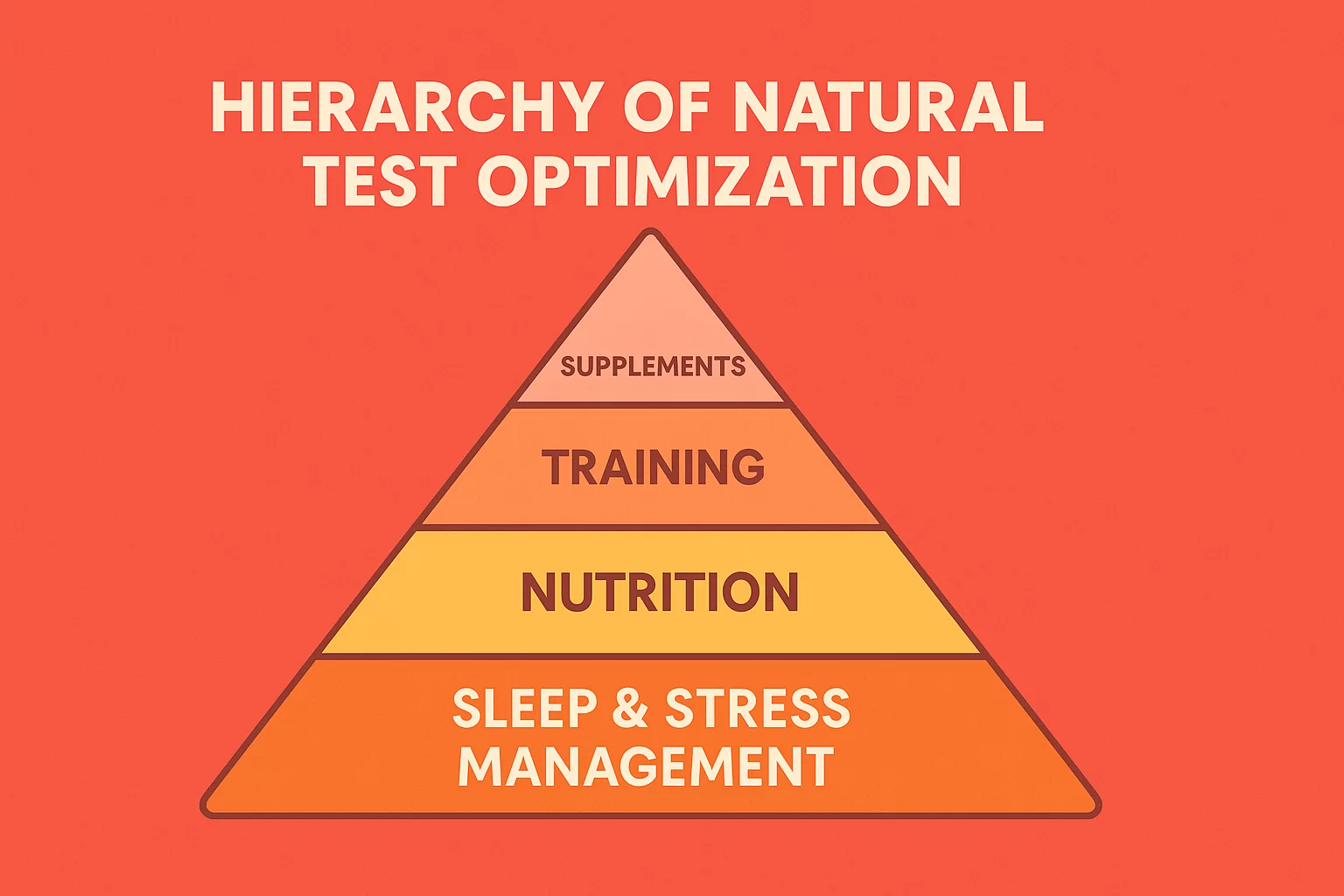
Natural maximization is about the 80/20 rule. Nail the fundamentals: Prioritize sleep, eat whole foods, train smartly (not just hard), and manage stress. Track markers like energy, libido, mood, and gym performance—they are your body’s report card.
For those considering more advanced enhancement, this is your prerequisite. If you are not consistently applying these principles, you are not ready for the exponentially greater complexity and risk of exogenous steroids or even SARMs. You must master your natural state first.
Optimizing your natural testosterone is the ultimate investment in sustainable health and performance. It builds a resilient foundation not just for a better physique, but for a better life. Before you look for a chemical solution, ensure you’ve maximized the biological masterpiece you already own.