

The pursuit of the ultimate “cut” in bodybuilding and fitness has always felt like a high-stakes boss battle. You level up your diet, master your training, and deploy every tool to strip away fat while preserving hard-earned muscle. In recent years, peptides like Tesamorelin for stubborn fat and GLP-1 agonists like Semaglutide became game-changers. But now, a new, more powerful challenger has entered the arena from the world of metabolic research: Retatrutide. With its unique triple-hormone action, it promises unprecedented results, making every physique enthusiast ask: Is this the Final Boss of cutting peptides?
The Cutting Edge Arsenal: A Boss Fight Recap
To understand why Retatrutide is causing such a stir, you need to know the current meta. Cutting is a balance of calorie deficit and muscle defense. Traditional peptides and drugs offer different advantages:
- Semaglutide (The GLP-1 Sniper): A master of appetite suppression. It makes maintaining a deficit easier but doesn’t directly target your metabolism, making muscle preservation a constant, conscious fight.
- Tirzepatide (The Dual-Wielder): The next evolution, combining GLP-1 with GIP (glucose-dependent insulinotropic polypeptide) for enhanced fat loss and slightly better metabolic efficiency. Yet, the core challenge remains—catabolism lurks in a steep deficit.
These tools are powerful, but they primarily work on the “calories in” side of the equation. The athlete’s dilemma persists: how to achieve razor-sharp leanness without feeling weak and losing size.

Retatrutide Unpacked: The Triple-Threat Mechanism
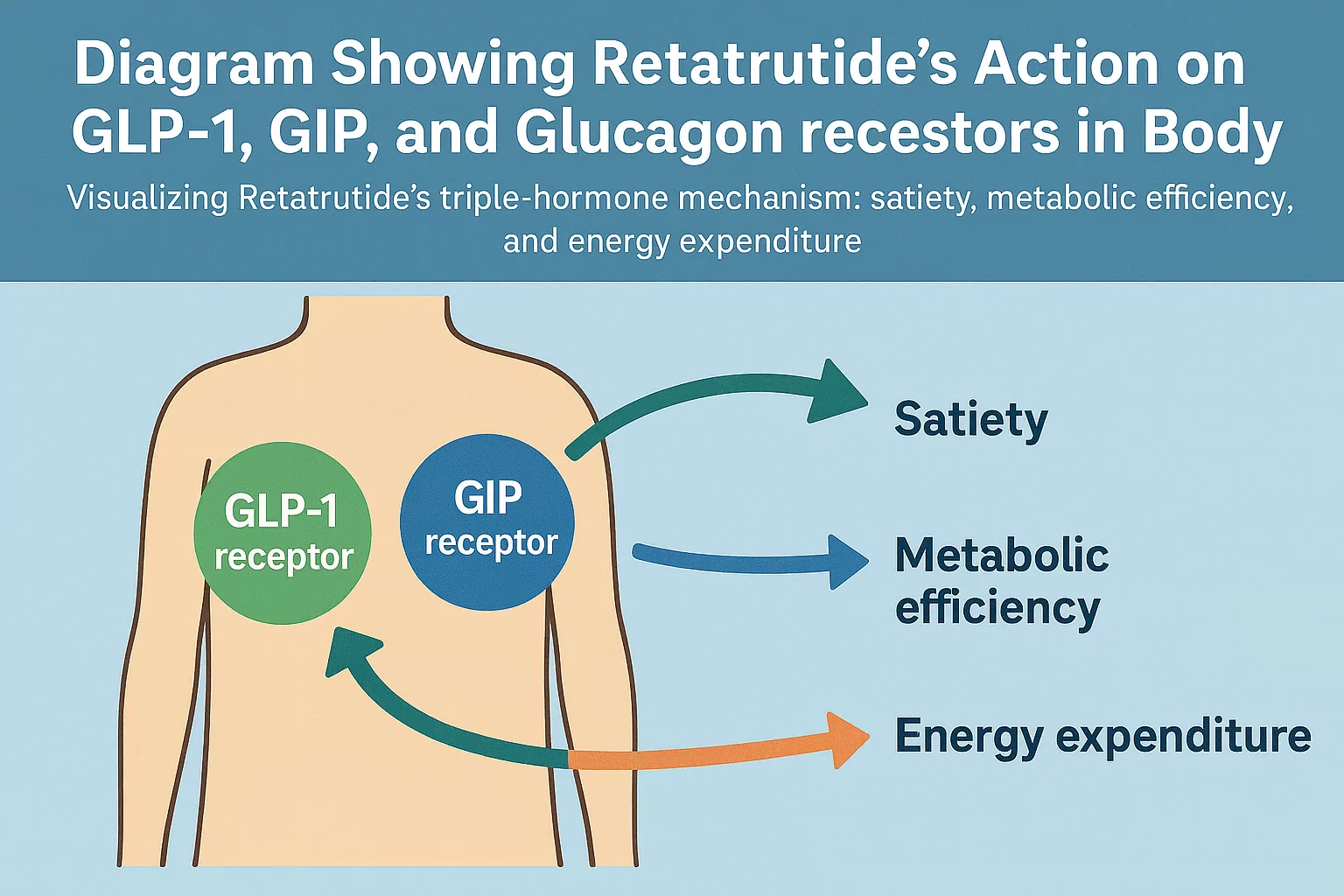
So, what makes this new contender different? Retatrutide isn’t just another incremental upgrade. It’s a novel Retatrutide weight-management peptide that targets three key hormone receptors: GLP-1, GIP, and glucagon. This last one is the game-changer.
- GLP-1 & GIP: Handle the classic roles—powerful appetite suppression and improved insulin sensitivity to manage nutrients efficiently.
- Glucagon Agonist (The New Move): This is where the strategy shifts. Glucagon traditionally raises blood sugar, but in Retatrutide’s targeted design, it’s believed to increase resting energy expenditure—essentially turning up your metabolic furnace. It may also promote direct lipolysis (fat breakdown).
In essence, Retatrutide attacks fat loss from both sides: reducing calories consumed and potentially increasing calories burned. For an athlete, this could translate to a deeper cut with better energy levels and a stronger defense against muscle loss.
The Data: Hard Numbers from the Trenches
The phase 2 trial data (the TRIUMPH study) is what turned heads. After 48 weeks, participants saw an average 24%+ reduction in body weight. For a 220lb athlete, that’s over 50 pounds. The critical question for us is: what’s the composition of that loss?
While the studies aren’t on elite bodybuilders, the mechanism suggests a potentially superior fat-to-muscle loss ratio compared to single or dual agonists. The glucagon component’s energy expenditure effect could signal the body to prioritize fat stores as fuel. This makes Retatrutide not just a weight-loss drug, but a potentially groundbreaking body recomposition tool when paired with a high-protein diet and resistance training—much like how peptides such as Livagen or Epitalon target cellular health for longevity and recovery.
Strategy Guide: The Loot Table and Raid Warnings
No boss is unbeatable, and every powerful tool has its cooldowns and risks. Here’s the tactical breakdown:
The Loot (Potential Pros)
- Unmatched Fat Loss Potential: The current data suggests it’s the most effective agent yet.
- The Metabolic Advantage: The unique “calories out” effect could preserve performance and mood during a cut.
- Improved Body Comp Outcome: The dream: losing more pure fat per pound on the scale.
The Raid Warnings (Cons & Side Effects)
- Amplified GI Side Effects: Nausea, diarrhea, and vomiting are common, especially during dose escalation.
- The Hypoglycemia Hazard: This is critical for athletes. Combining this potent compound with fasted training, extreme deficits, or insulin manipulation can be dangerous. Meticulous nutrient timing and monitoring are non-negotiable.
- Availability & Purity: It is not yet FDA-approved or commercially available. The “research chemical” market is risky, with no guarantees of purity or correct dosing.

The Meta-Build: Integrating Peptides Into Your Protocol
Thinking of Retatrutide as a solo win condition is a mistake. It must be slotted into a complete, athlete-focused build.
- Non-Negotiable Foundation:
- Hyper-Protein Intake: Aim for 1.2g – 1.6g per pound of target body weight to armor your muscle.
- Progressive Overload Training: Maintain intensity. Your workouts are the direct signal to retain muscle.
- Strategic Carb Cycling: Fuel training days to support performance and mitigate metabolic adaptation.
- Synergy Stacks: Retatrutide could be the foundational “cutting agent,” while peptides for specific goals run alongside it. Think BPC-157 for joint/tendon repair under heavy training loads, or Semax to maintain laser focus during demanding diet phases.
Remember, these compounds support the process; they don’t replace discipline, nutrition, and hard work.
Final Boss or Just a New Level? The Verdict
Based on mechanism and early data, Retatrutide is the most potent “cutting peptide” boss we’ve seen yet. Its triple-action approach solves key limitations of its predecessors by addressing energy expenditure, making it a fascinating prospect for body recomposition.
Is it the “Final Boss”? For this chapter of metabolic science, perhaps. But the game always evolves. New candidates are already in development. The true final boss isn’t a peptide—it’s the relentless pursuit of a sustainable, healthy, and high-performing physique without sacrificing long-term health.
The wise athlete masters the fundamentals first. If and when agents like Retatrutide become available and well-understood, they will be tools for the informed—used with respect, medical guidance, and the unwavering priority of preservation, not just loss.