


The Lifter’s Dilemma: A Story of Pain and Progress
You know the feeling. A sharp twinge in the shoulder during a heavy bench press. The nagging ache in a knee that won’t quit, no matter how much you rest. For athletes and bodybuilders, injury isn’t just a setback—it’s a direct threat to your identity and progress. The road back is often paved with frustratingly slow rehab, lost gains, and the temptation of painkillers that merely mask the problem.
In the search for solutions, a name surfaces repeatedly in the inner circles of elite athletes, biohackers, and performance specialists: BPC-157. Touted as a “healing peptide” capable of accelerating recovery from tendon tears, muscle strains, and even gut issues, it sounds almost too good to be true.

This guide cuts through the forum hype and marketing claims. We’ll dive deep into the science of BPC-157, examine its potential benefits for physical performance, outline practical protocols, and critically assess the risks. By the end, you’ll have a clear, balanced understanding of whether this powerful peptide belongs in your recovery toolkit.
BPC-157 Decoded: Your Body’s Master Repair Signal
First, let’s demystify what it is. BPC-157 stands for Body Protection Compound-157. It’s a synthetic peptide, a chain of 15 amino acids, modeled from a protein found naturally in human gastric juice. This is a key point: it’s based on a compound your body already produces.
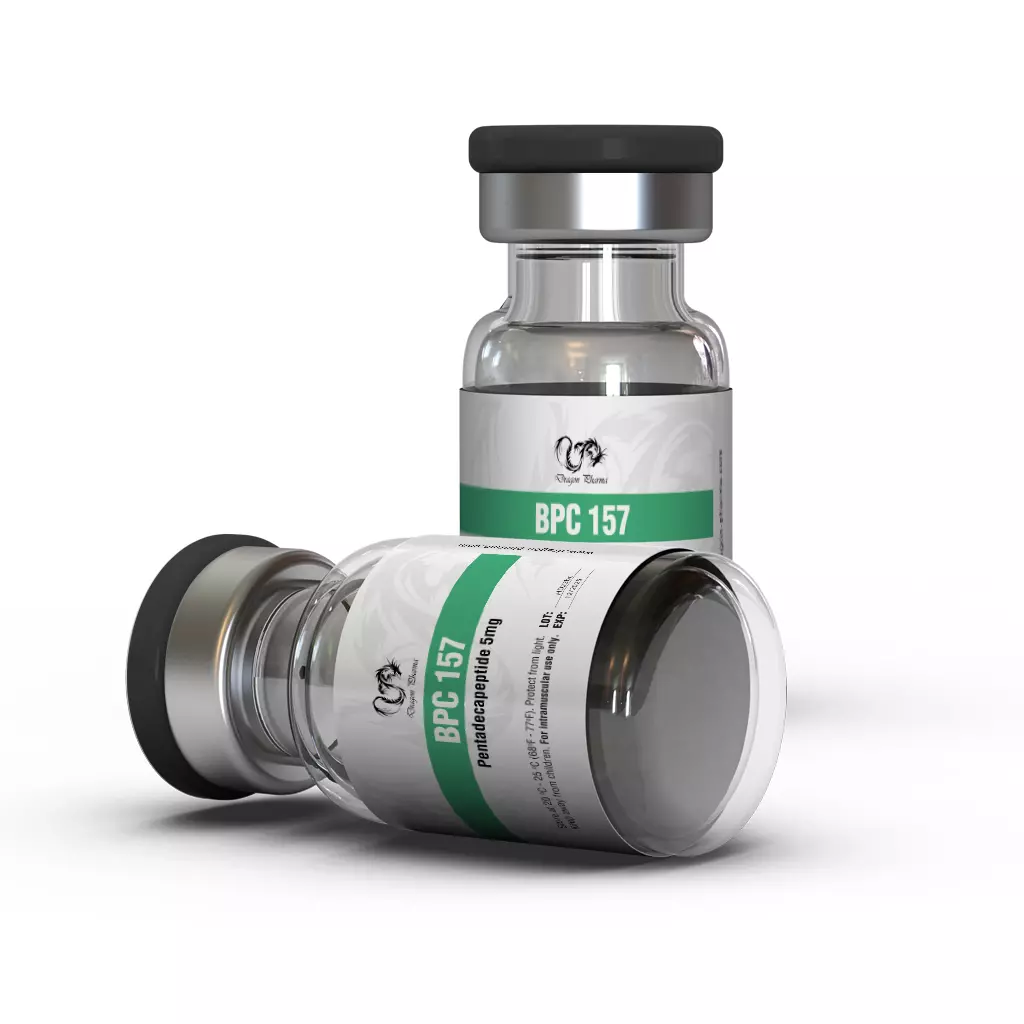
Unlike anabolic steroids that directly alter hormone levels, BPC-157 works as a signaling molecule. Think of it as the ultimate project manager for your body’s repair crew. When introduced, it orchestrates a complex healing cascade:
- Promotes Angiogenesis: It signals the body to create new blood vessels (vasculogenesis), dramatically increasing blood flow to injured areas. More blood means more nutrients and oxygen delivered to damaged tissue.
- Upregulates Growth Factors: It boosts the production of key repair proteins like VEGF (Vascular Endothelial Growth Factor) and FGF (Fibroblast Growth Factor), which are crucial for building new tissue.
- Modulates Inflammation: It doesn’t just blunt inflammation; it helps organize the inflammatory response, shifting it from a destructive phase to a productive repair phase.
- Accelerates Cellular Migration: It helps fibroblasts (the cells that build connective tissue) and other repair cells get to the injury site faster.

Interestingly, BPC-157 exhibits a “systemic healing effect.” Injected locally (e.g., near a torn tendon), it can promote healing in distant, unrelated areas (like the gut lining). This points to a complex, body-wide communication system it influences, often called the gut-brain-healing axis.
The Athlete’s Arsenal: Potential Benefits Backed by Science
The mechanism is impressive, but what does it translate to in the gym? Research, primarily in animal models but supported by a growing volume of human anecdotal reports, points to several compelling applications.
1. The Joint and Tendon Savior
This is BPC-157’s flagship benefit. Tendons and ligaments have poor blood supply, making their healing notoriously slow. BPC-157 changes that.
- Applications: Accelerated healing of rotator cuff tears, Achilles tendinopathy, tennis elbow (lateral epicondylitis), and patellar tendonitis.
- The Outcome: Potential to transform chronic, nagging injuries that halt training into manageable issues, allowing a faster return to heavy lifting and sport.
2. The Muscle Recovery Amplifier
While not a mass-builder, it can enhance the muscle repair process.
- Applications: Significant reduction in DOMS (Delayed Onset Muscle Soreness), faster recovery of muscle strength and function after intense eccentric exercise (like heavy negatives), and reduced muscle damage markers.
- The Outcome: The ability to train harder, more frequently, and with better performance during demanding blocks or competition prep.
3. The Gut Health Fixer (The Performance Multiplier)
This is the unexpected benefit. Intense training, NSAID overuse (like ibuprofen), and aggressive diets can wreak havoc on gut integrity, leading to “leaky gut.”
- Applications: Healing of intestinal lesions, protection against NSAID-induced gut damage, and improvement of inflammatory bowel conditions.
- The Outcome: A healthier gut reduces systemic inflammation, improves nutrient absorption, and can resolve issues like bloating and brain fog—creating a stronger foundation for overall performance. For a broader look at peptides that support systemic health, explore our guide on Livagen Peptide: Boost Cellular Health and Slow Aging.
4. The Surgical Comeback Shortcut
For those facing orthopedic surgery, BPC-157 presents a fascinating potential.
- Applications: Used pre- and post-operatively for procedures like ACL reconstruction, labral repairs, and tendon reattachment.
- The Outcome: Potentially stronger surgical repairs, reduced scar tissue formation, and a significantly accelerated timeline for returning to weight-bearing and strength training.
The Practical Protocol: Administration, Dosage, and Sourcing
Administration: Subcutaneous (SubQ) vs. Intramuscular (IM)
- SubQ Injection: The most common method. Injecting into the fatty tissue (like the belly fat) for systemic distribution. Ideal for gut issues or multiple injury sites.
- Local IM Injection: Injecting into or near the muscle or tendon sheath of the injured area (e.g., near the shoulder for a rotator cuff tear). This may provide a more concentrated effect at the target site.
- Oral Administration: Some use oral capsules for gut-specific issues, though debate exists about its bioavailability compared to injections.
Typical Dosing and Cycle Protocol
- Dosage Range: Commonly reported between 250-500 mcg, taken once or twice daily.
- Cycle Length: Cycles typically run 4-8 weeks, followed by a break to assess progress and prevent potential receptor desensitization.
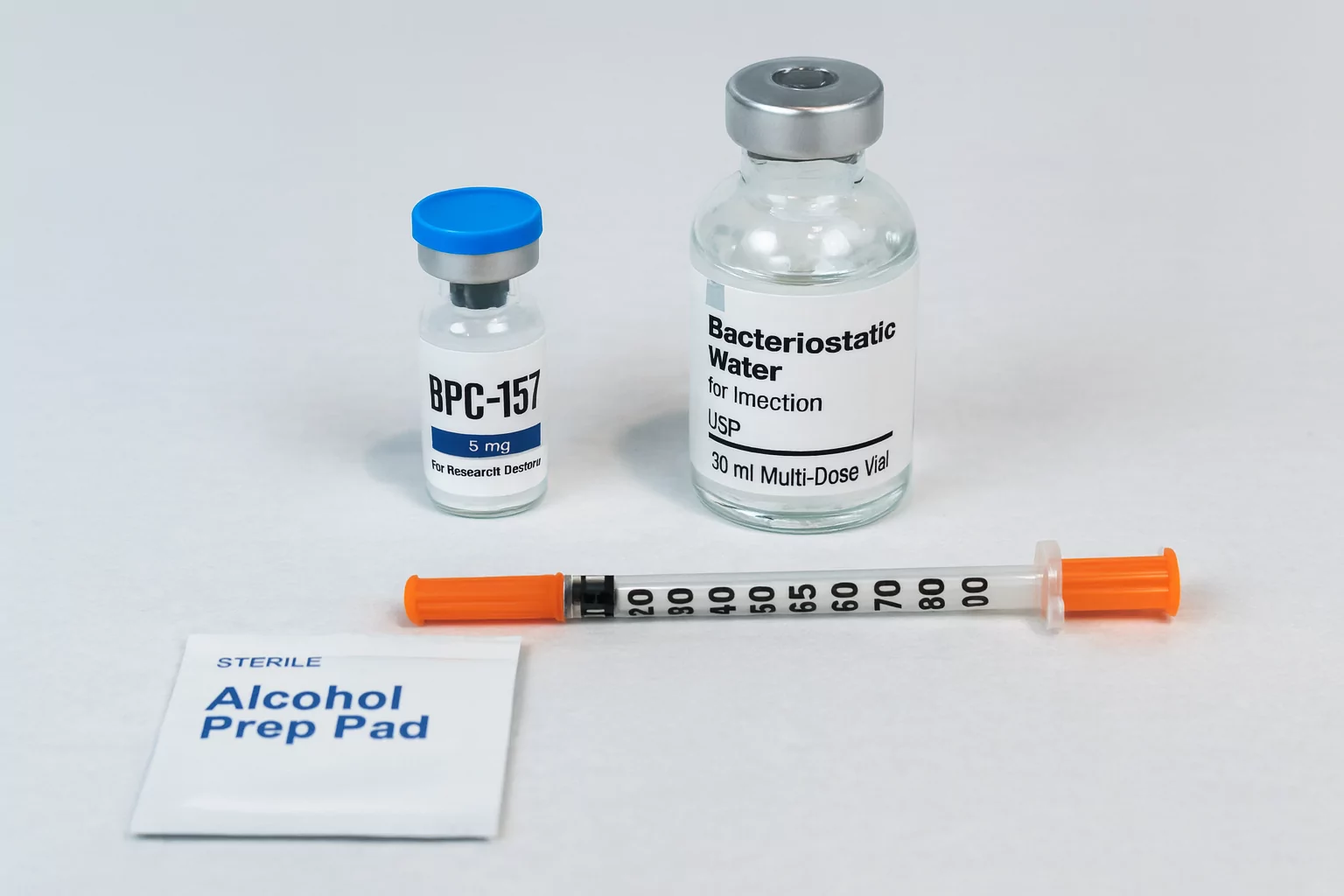
- Reconstitution: BPC-157 comes as a lyophilized (freeze-dried) powder. It must be mixed with Bacteriostatic Water before injection. Dosing is precise and requires insulin syringes (U-100).
Navigating the Gray Market: Sourcing and Legality
BPC-157 is sold for “laboratory research purposes only.” Its legal status is a gray area; it is legal to possess and purchase as a research chemical, but not for human consumption.
- Vendor Vetting is Paramount: You must source from reputable suppliers who provide third-party lab testing (Certificate of Analysis – COA) verifying purity (>99%) and concentration.
- WADA Status: While not explicitly named, its healing properties likely fall under the World Anti-Doping Agency’s prohibition of “Substances and Methods that alter the integrity and validity of urine samples, and Gene and Cell Doping.” Competitive athletes should assume it is prohibited.
The Risk Assessment: A Balanced View of Side Effects and Unknowns
BPC-157 has an impressive safety profile in available studies, but the long-term human data is absent.
- Reported Side Effects: Typically mild and may include temporary nausea, headache, or dizziness. Injection site reactions are possible.
- The Dopamine Question: Some rodent studies suggest BPC-157 may interact with dopamine and serotonin systems. The human implications are unclear, but those with mood disorders or on related medications should be extremely cautious.
- The Angiogenesis Concern: Theoretically, promoting blood vessel growth could be problematic if an undiagnosed tumor is present. While no study links it to cancer, this underscores the need for medical oversight.
- The Unknown: The biggest risk is the unknown long-term effects. You are, in effect, a participant in an uncontrolled experiment.
The Final Rep: Is BPC-157 Right For You?
BPC-157 is not a magic bullet. It is a powerful, sophisticated biological tool.
- The Ideal Candidate: An informed individual with a specific, stubborn soft-tissue injury unresponsive to proven methods (proper rehab, nutrition, sleep), who understands the risks, legal gray areas, and has consulted a progressive medical professional.
- Who Should Avoid It: Anyone looking for a shortcut for minor aches, those with a history of cancer, individuals uncomfortable with self-injection or the experimental nature, and competitive athletes subject to strict doping controls.
For the right person, facing the right challenge, BPC-157 represents the cutting edge of recovery technology—a way to directly influence the fundamental biology of healing. It demands respect, caution, and a commitment to due diligence. Your recovery, and your long-term health, depend on it.