

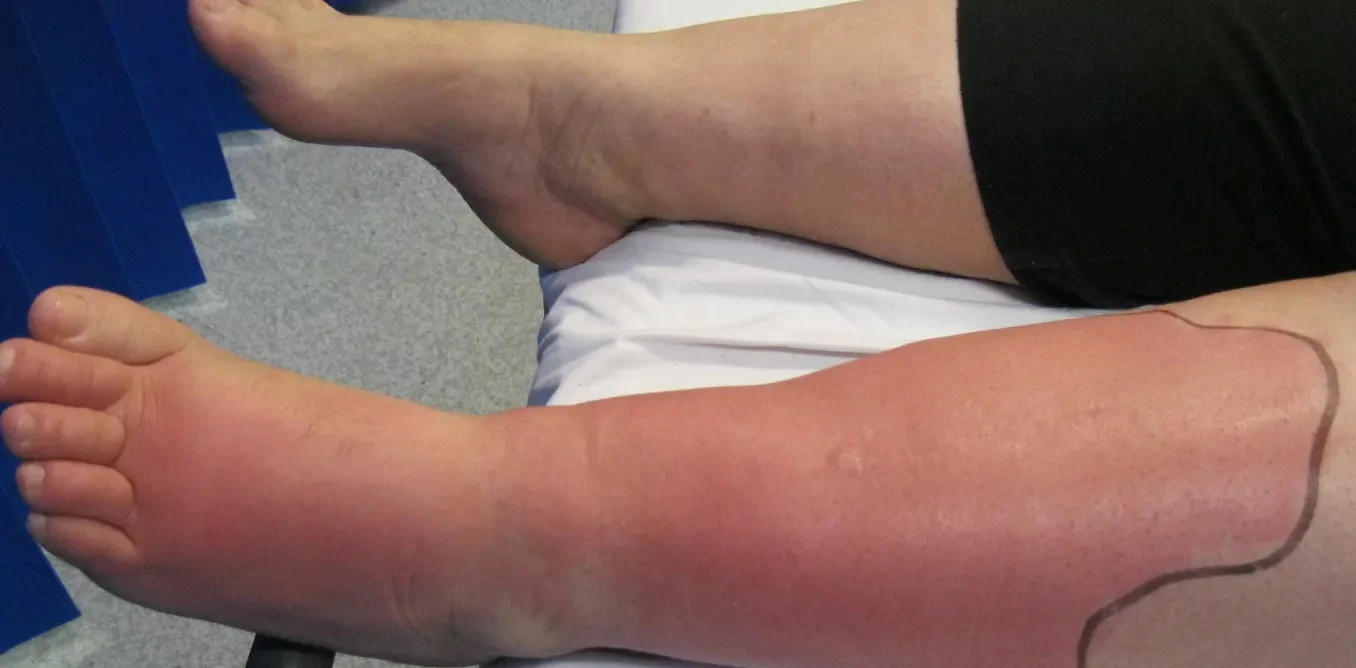
Cellulitis is a spreading infection of the skin that usually begins as a small area of tenderness, swelling, and redness. As this red area begins to spread, the person may develop a temperature, sometimes with chills and sweats, and swollen lymph glands near the area of infected skin.
Cellulitis is an infection involving the skin’s deeper layers; the dermis and subcutaneous tissue. The main bacteria involved in cellulitis is Staphylococcus, which also causes many cases of impetigo, a more superficial skin infection. Occasionally, other bacteria may cause cellulitis as well.
Causes of Cellulitis:
- There are a number of possible reasons why cellulitis occurs in the skin.
- Streptococcus and Staphylococcus are the two most common bacteria groups that cause this ailment. Still, Pseudomonas, Clostridium, and Hemophilus influenza could also cause cellulitis.
- The most common reason why cellulitis occurs is that bacteria enter the body through a crack or opening in the skin. This could come in the form of a wound, puncture, laceration, or skin ulcers. Some ailments also open the skin to bacteria, including dermatitis and athlete’s foot.
- Sometimes, insects and spiders bite the skin, injecting bacteria that could also cause the infection.
- When the skin is dry and flaky, it could be easier for bacteria to enter it.
Risk Factors of Cellulitis:
Most commonly, cellulitis develops in the area of a break in the skin, such as a cut, small puncture wound, or insect bite. In some cases when cellulitis develops without an apparent skin injury, it may be due to microscopic cracks in the skin that is inflamed or irritated. It may also appear in the skin near ulcers or surgical wounds.
In other circumstances, cellulitis occurs where there has been no skin break at all, such as with chronic leg swelling (edema). A preexisting skin infection, such as athlete’s foot (tinea pedis) or impetigo can predispose to the development of cellulitis. Likewise, inflammatory conditions of the skin like eczema, psoriasis, or skin damage caused by radiation therapy can lead to cellulitis.
People who have diabetes or conditions that compromise the function of the immune system (for example, HIV/AIDS or those receiving chemotherapy or drugs that suppress the immune system) are particularly prone to developing cellulitis.
Conditions that reduce the circulation of blood in the veins or that reduce circulation of the lymphatic fluid (such as venous insufficiency, obesity, pregnancy, or surgeries) also increase the risk of developing cellulitis.
Symptoms:
Symptoms of orbital cellulitis may include:
- Painful swelling of upper and lower eyelid, and possibly the eyebrow and cheek
- Bulging eyes
- Decreased vision
- Eye pain, especially when moving the eye
- Fever, generally 102 degrees F or higher
- General feeling of discomfort
- Painful or difficult eye movements
- Shiny, red or purple eyelid
Possible Complications:
- Blood infection (sepsis)
- Bone infection (osteomyelitis)
- Inflammation of the lymph vessels (lymphangitis)
- Inflammation of the heart (endocarditis)
- Meningitis
- Shock
- Tissue death (gangrene)
Tests For Cellulitis:
The appearance of your skin will help your doctor make a diagnosis. Your doctor may also suggest blood tests, a wound culture or other tests to help rule out a blood clot deep in the veins of your legs. Cellulitis in the lower leg is characterized by signs and symptoms that may be similar to those of a clot occurring deep in the veins, such as warmth, pain and swelling.
Treatment For Cellulitis:
Cellulitis is treated with antibiotics. To help ease pain, raise the affected arms or legs, keep still, and apply cool, wet, sterile bandages. If your symptoms aren’t better after a few days, you may need hospitalization so doctors can give you antibiotics intravenously (IV).If you have diabetes or circulatory problems, check your hands and feet daily for scrapes or cuts, or a fungus such as athlete’ s foot. Keep your skin moisturized and don’ t go barefoot.
Drug Therapies:
Your health care provider will prescribe antibiotics for your infection as well as pain relievers if needed. Your doctor may prescribe an antibiotic that works against both staph and strep, such as cephalexin (Keflex). It is important to take the entire course of antibiotics, even if your symptoms go away before you finish.
Surgical and Other Procedures:
If antibiotics don’ t work, you may need surgery to drain any underlying abscess (infected tissue).
Complementary and Alternative Therapies:
It is important to get conventional medical treatment for cellulitis. It can spread rapidly, so you should start antibiotics as soon as possible to prevent complications. Most alternative therapies have not yet been studied for use specifically in cellulitis. Some may reduce the risk of getting cellulitis or ease some of the symptoms when used along with conventional care. You should never treat cellulitis with alternative therapies alone. It is important to tell your doctor if you are taking any herbs or supplements because some may interfere with antibiotic therapy.