


Allergy is a hypersensitivity disorder of the immune system. Allergic reactions occur to normally harmless environmental substances known as allergens; these reactions are acquired, predictable, and rapid. Strictly, allergy is one of four forms of hypersensitivity and is called type I hypersensitivity.
It is characterized by excessive activation of certain white blood cells called mast cells and basophils by a type of antibody known as IgE, resulting in an extreme inflammatory response. Common allergic reactions include eczema, hives, hay fever, asthma attacks, food allergies, and reactions to the venom of stinging insects such as wasps and bees.
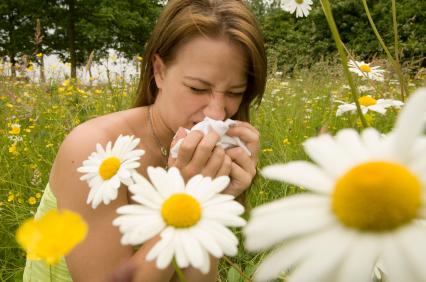
Mild allergies like hay fever are highly prevalent in the human population and cause symptoms such as allergic conjunctivitis, itchiness, and runny nose. Allergies can play a major role in conditions such as asthma. In some people, severe allergies to environmental or dietary allergens or to medication may result in life-threatening anaphylactic reactions.
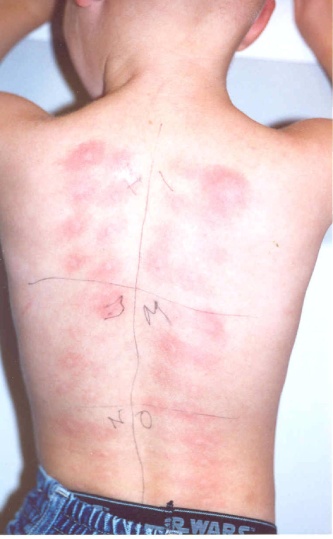
A variety of tests now exist to diagnose allergic conditions; these include testing the skin for responses to known allergens or analyzing the blood for the presence and levels of allergen-specific IgE. Treatments for allergies include allergen avoidance, use of anti-histamines, steroids, or other oral medications, immunotherapy to desensitize the response to allergen, and targeted therapy.
Allergy Facts
- It is estimated that 50 million North Americans are affected by allergic conditions.
- The cost of allergies in the United States is more than $10 billion dollars yearly.
- Allergic rhinitis (nasal allergies) affects about 35 million Americans, 6 million of whom are children.
- Asthma affects 15 million Americans, 5 million of whom are children.
- The number of cases of asthma has doubled over the last 20 years.
As many as 50 million Americans are allergic to something — whether pollen, peanuts, or pet dander.
Learn some of the most common kinds of allergies.
Allergic rhinitis: swelling and inflammation of nasal passages, congestion, sneezing, and itchy, watery eyes caused by a variety of outdoor and indoor allergens.
Sinusitis: an infection of the sinuses sometimes related to or caused by allergic rhinitis or asthma. However, at least half of all chronic sinusitis is not caused by allergies.
Asthma: inflammation of the lungs and airways and constriction of the bronchial tubes triggered by many of the same allergens as allergic rhinitis, and resulting in wheezing, chest tightness, shortness of breath and coughing.
Food allergies: symptoms such as rash, vomiting and diarrhea, coughing, wheezing, facial swelling, hives, and others triggered by specific Foods in some people. Food intolerances, such as lactose intolerance, are more common, but they are not considered allergies because they do not involve an allergic reaction.
Bee sting allergy (insect venom allergy): one of the most dangerous allergic reactions, especially for people who are severely allergic to bee stings. Causes swelling and inflammation around the site of the sting, and in severe cases, an anaphylactic reaction that involves the entire body. Symptoms include hives, swollen airways, wheezing, difficulty breathing and swallowing, increased pulse rate, and decreased blood pressure causing dizziness. People with bee and insect venom allergies must carry an epinephrine (adrenaline) self-injection kit (brand names include EpiPen and Twinject) with them at all times in case they are stung.
Latex allergy: a reaction to the manmade material Latex, most often in the powder residue that coats the latex in rubber gloves, which can become airborne. Symptoms may include asthma, itching and rash, hives, watery eyes, and anaphylaxis.
Drug allergies: reaction to certain medications, such as penicillin, sulfa drugs, anti-seizure medications, and aspirin that may cause hives or other symptoms when taken.
Skin contact allergy: also called contact dermatitis, an allergic reaction caused by direct contact with an allergen that produces inflammation ranging from localized redness to open sores. Common causes are acid and alkaline materials, including soaps and detergents; solvents, adhesives, and other industrial chemicals; poison ivy, oak or sumac; nickel and other metals used in jewelry; topical medications, including antibiotics and anesthetics; rubber; perfumes or cosmetics; fabrics such as wool and clothing made from such fabrics.
Eczema: a very common form of dermatitis and often a lifelong condition in people who are hypersensitive to a wide range of skin irritations. Symptoms include dry, scaly skin appearing on red, inflamed areas; extreme itchiness, and a burning sensation.
Allergic conjunctivitis: also called pink eye, an inflammation of the conjunctiva, the tissue on the inside of the eyelid that keeps the eyeball and eyelid moist. Can be triggered by contact with substances such as shampoo, cosmetics, dirt, smoke, pool chlorine, or various allergens.
Chemical sensitivity: not the same as an allergic reaction, the inability of the affected person to tolerate environmental chemicals, such as pesticides, solvent fumes and other air contaminants. Symptoms can include respiratory problems, nausea, headache, fatigue, cognitive dysfunction, heart arrhythmia, or seizures.