
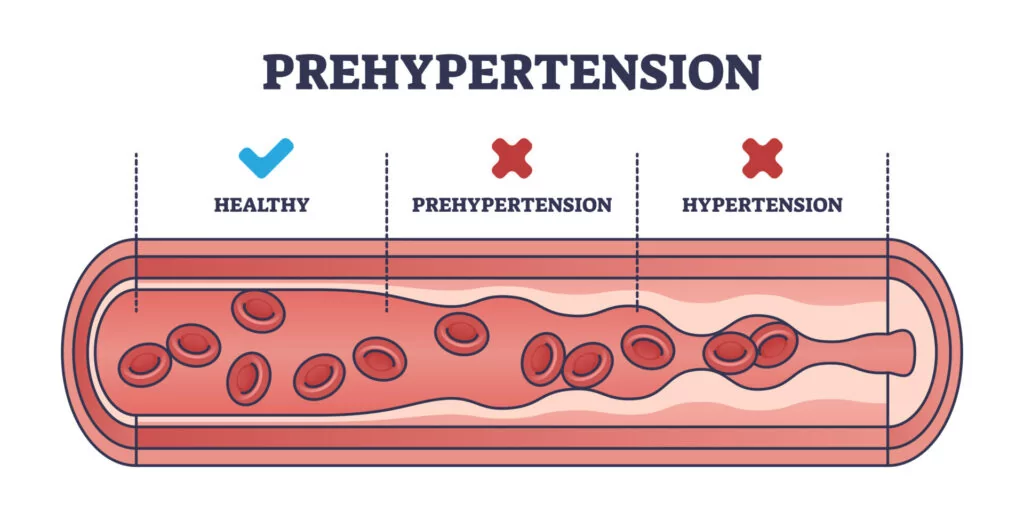
High blood pressure is a common condition in which the force of the blood against your artery walls is high enough that it may eventually cause health problems, such as Heart disease.Blood pressure is determined by the amount of blood your heart pumps and the amount of resistance to blood flow in your arteries. The more blood your heart pumps and the narrower your arteries, the higher your blood pressure.
You can have high blood pressure (hypertension) for years without any symptoms. Uncontrolled high blood pressure increases your risk of serious health problems, including Heart attack and stroke.High blood pressure typically develops over many years, and it affects nearly everyone eventually. Fortunately, high blood pressure can be easily detected.
A blood pressure level of 140/90 mmHg or higher is considered high. About two-thirds of people over age 65 have high blood pressure. If your blood pressure is between 120/80 mmHg and 139/89 mmHg, then you have prehypertension. This means that you don’t have high blood pressure now but are likely to develop it in the future. You can take steps to prevent high blood pressure by adopting a healthy lifestyle.
Hypertension is called a silent killer because you can have it for years and not know about it. High blood pressure increases your risks for getting heart attacks, heart failure, stroke or kidney failure.
Almost one in every third person is suffering from this condition and this maybe related to our modern lifestyle and food habits. Consumption of salt, smoking, over-weight, lack of exercise and stress are factors that can lead to increase in our blood pressure.
High Blood Pressure is a chronic condition and once you develop it usually will last a lifetime. To prevent this happening to you must fully understand the condition and take appropriate action.And once you know you have high blood pressure, you can work with your doctor to control it.
What is Systolic Blood Pressure?
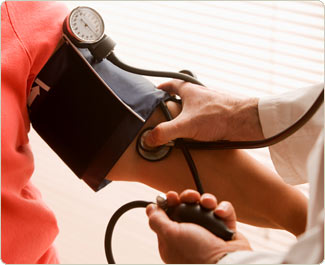
Systolic pressure is the force of blood in the arteries as the heart beats. It is shown as the top number in a blood pressure reading. High blood pressure is 140 and higher for systolic pressure. Diastolic pressure does not need to be high for you to have high blood pressure. When that happens, the condition is called “isolated systolic hypertension,” or ISH.
High Blood Pressure Stages
Prehypertension
This hypertension stage is defined as a systolic blood pressure between 120 and 139 or a diastolic pressure between 80 and 89. It is meant to identify adults who are at high risk for developing hypertension. If you have prehypertension, your doctor will advise you to begin lifestyle modifications to bring your blood pressure down to the normal range. Blood pressure medication isn’t usually recommended unless the patient has diabetes or kidney disease and recommended lifestyle changes are not working.
Lifestyle changes may include losing weight, eating a low-fat, low-Sodium diet, exercising daily, limiting alcoholic intake, and not smoking.
Hypertension Stage 1
If your systolic blood pressure is between 140 and 159 or your diastolic pressure is between 90 and 99, you are considered to be in hypertension stage 1. Your doctor will recommend the same lifestyle changes mentioned above, but you will also probably need to take medication. The JNC 7 report recommends that the first medication to use is a thiazide-type diuretic. A diuretic is a medication that lowers blood pressure by helping your body get rid of extra fluid and Sodium. Diuretics are usually very effective, have few side effects, and are inexpensive.
Hypertension Stage 2
If your systolic pressure is 160 or higher or your diastolic pressure is 100 or higher, you have hypertension stage 2. People at this stage usually must modify lifestyle habits and take a diuretic and another type of antihypertensive drug (maybe a third type if necessary). More than two-thirds of hypertensive patients require two or more different medications.
Other factors will determine your treatment. African Americans, who have a higher risk of developing hypertension-related complications, may require more aggressive treatment. If you have an underlying condition, such as Heart disease, diabetes, or kidney disease, your doctor will factor that into the treatment choice.
Because none of the stages of hypertension has symptoms, everyone, even children, should get their blood pressure checked regularly.
There are two primary hypertension types. For 95 percent of people with high blood pressure, the cause of their hypertension is unknown — this is called essential, or primary, hypertension. When a cause can be found, the condition is called secondary hypertension.
- Essential hypertension. This type of hypertension is diagnosed after a doctor notices that your blood pressure is high on three or more visits and eliminates all other causes of hypertension. Usually people with essential hypertension have no symptoms, but you may experience frequent headaches, tiredness, dizziness, or nose bleeds. Although the cause is unknown, researchers do know that obesity, smoking, alcohol, diet, and heredity all play a role in essential hypertension.
- Secondary hypertension. The most common cause of secondary hypertension is an abnormality in the arteries supplying blood to the kidneys. Other causes include airway obstruction during sleep, diseases and tumors of the adrenal glands, hormone abnormalities, thyroid disease, and too much salt or alcohol in the diet. Drugs can cause secondary hypertension, including over-the-counter medications such as ibuprofen (Motrin, Advil, and others) and pseudoephedrine (Afrin, Sudafed, and others). The good news is that if the cause is found, hypertension can often be controlled.
- Isolated systolic hypertension. Blood pressure is recorded in two numbers: The upper, or first, number is the systolic pressure, which is the pressure exerted during the heartbeat; the lower, or second, number is the diastolic pressure, which is the pressure as the heart is resting between beats. Normal blood pressure is considered under 120/80. With isolated systolic hypertension, the systolic pressure rises above 140, while the lower number stays near the normal range, below 90. This type of hypertension is most common in people over the age of 65 and is caused by the loss of elasticity in the arteries. The systolic pressure is much more important than the diastolic pressure when it comes to the risk of cardiovascular disease for an older person.
- Malignant hypertension. This hypertension type occurs in only about 1 percent of people with hypertension. It is more common in younger adults, African-American men, and women who have pregnancy toxemia. Malignant hypertension occurs when your blood pressure rises extremely quickly. If your diastolic pressure goes over 130, you may have malignant hypertension. This is a medical emergency and should be treated in a hospital. Symptoms include numbness in the arms and legs, blurred vision, confusion, chest pain, and headache.
- Resistant hypertension. If your doctor has prescribed three different types of antihypertensive medications and your blood pressure is still too high, you may have resistant hypertension. Resistant hypertension may occur in 20 to 30 percent of high blood pressure cases. Resistant hypertension may have a genetic component and is more common in people who are older, obese, female, African American, or have an underlying illness, such as diabetes or kidney disease.
What’s caused as high?
There is a natural tendency for blood pressure to rise with age due to the reduced elasticity of the arterial system. Age is therefore one of the factors that needs to be taken into account in deciding whether a person’s blood pressure is too high.
In general terms, people with a systolic blood pressure consistently above 140mmHg and/or a diastolic pressure over 85mmHg need treatment to lower their blood pressure.
People with slightly lower blood pressures (130 to140mmHg systolic or 80 to 85mmHg diastolic) may also need treatment if they have a high risk of developingcardiovascular disease, eg stroke or angina (chest pains).
The exact causes of high blood pressure are not known. Several factors and conditions may play a role in its development, including:
- Smoking
- Being overweight or obese
- Lack of physical activity
- Too much salt in the diet
- Too much alcohol consumption (more than 1 to 2 drinks per day)
- Stress
- Older age
- Genetics
- Family history of high blood pressure
- Chronic kidney disease
- Adrenal and thyroid disorders
High blood pressure that results from a specific condition, habit, or medication is called secondary hypertension. Too much salt in your diet can lead to high blood pressure. Secondary hypertension may also be due to:
- Adrenal gland tumor
- Alcohol poisoning
- Anxiety and stress
- Appetite suppressants
- Arteriosclerosis
- Birth control pills
- Certain cold medicines
- Coarctation of the aorta
- Cocaine use
- Cushing syndrome
- Diabetes
- Kidney disease, including:
- Glomerulonephritis (inflammation of kidneys)
- Kidney failure
- Renal artery stenosis
- Renal vascular obstruction or narrowing
- Migraine medicines
- Hemolytic-uremic syndrome
- Henoch-Schonlein purpura
- Obesity
- Pain
- Periarteritis nodosa
- pregnancy (called gestational hypertension)
- Radiation enteritis
- Renal artery stenosis
- Retroperitoneal fibrosis