

Close Menu
Health Today
    Latest Articles

    Anna Faris Workout And Diet

    The Definitive MOTS-C Dosing Guide: Protocol for Fat Loss and Performance

    What is GHK-Cu? The Ultimate Guide to Benefits, Dosing, and Uses

    How Trans Fat Increase Our Cholesterol

    Cardiovascular Cost: How Steroids Permanently Damage Your Heart

    The Endocrine Aftermath: Could You Be on TRT for Life?

    Facebook X (Twitter) Instagram
    X (Twitter) Pinterest Vimeo Mastodon
    Health Today
    • Home
    • Bodybuilding
      1. Anabolic Steroids
      2. Peptides
      3. Workouts
      4. View All

      Cardiovascular Cost: How Steroids Permanently Damage Your Heart

      December 10, 2025

      The Endocrine Aftermath: Could You Be on TRT for Life?

      December 10, 2025

      Natural Maximization: How to Optimize Your Testosterone Without Drugs

      December 10, 2025

      SARMs vs. Steroids: A Clear-Eyed Comparison of Risks and Promises

      December 10, 2025

      The Definitive MOTS-C Dosing Guide: Protocol for Fat Loss and Performance

      December 11, 2025

      What is GHK-Cu? The Ultimate Guide to Benefits, Dosing, and Uses

      December 11, 2025

      Hexarelin Explained: The Most Potent GHRP

      December 9, 2025

      Peptides for Cutting: Is Retatrutide the Final Boss?

      December 9, 2025

      Nargis Fakhri Workout And Diet

      January 14, 2021

      Alicia Keys Workout And Diet

      January 12, 2020

      Aamir Khan Workout And Diet

      April 11, 2012

      Celine Dion Workout And Diet

      April 9, 2012

      The Definitive MOTS-C Dosing Guide: Protocol for Fat Loss and Performance

      December 11, 2025

      What is GHK-Cu? The Ultimate Guide to Benefits, Dosing, and Uses

      December 11, 2025

      Cardiovascular Cost: How Steroids Permanently Damage Your Heart

      December 10, 2025

      The Endocrine Aftermath: Could You Be on TRT for Life?

      December 10, 2025
    • Celebs

      Anna Faris Workout And Diet

      January 12, 2026

      Nargis Fakhri Workout And Diet

      January 14, 2021

      Alicia Keys Workout And Diet

      January 12, 2020

      Aamir Khan Workout And Diet

      April 11, 2012

      Celine Dion Workout And Diet

      April 9, 2012
    • Common Disease
      1. Anemia
      2. Cellulitis
      3. Cold & Flu
      4. Dizziness
      5. Genital Herpes
      6. Hookworm
      7. Impetigo
      8. Influenza (Flu)
      9. Keratitis
      10. Malaria
      11. Mastitis
      12. Measles
      13. Meningitis
      14. Mumps
      15. Pneumonia
      16. Sinusitis
      17. Sore Throat
      18. Stomatitis
      19. Warts
      20. View All

      Anemia: Its Causes, Sign And Symptoms, Diagnosis And Treatment

      December 11, 2011

      Cellulitis: Its Causes, Symptoms, Complications And Treatments

      December 10, 2011

      Dizziness: Its Types, Causes, Symptoms And Treatment

      December 11, 2011

      Genital Herpes: Its Causes, Symptoms, Diagnosis And Treatment

      December 11, 2011

      Hookworm: Its Causes, Symptoms, Tests And Treatment

      December 10, 2011

      Impetigo: Its Types, Causes, Risk Factors, Symptoms And Treatment

      December 11, 2011

      Influenza: Its Causes, Symptoms, Diagnosis And Treatments

      December 9, 2011

      Keratitis: Its Types, Causes, Symptoms, Diagnosis And Treatment

      December 12, 2011

      Malaria: Its Types, Causes, Risk Factors, Symptoms And Treatment

      December 10, 2011

      Mastitis: Its Types, Causes, Symptoms, Diagnosis And Treatment

      December 12, 2011

      Measles: Its Types, Causes, Symptoms And Treatment

      December 12, 2011

      Meningitis: Its Causes, Symptoms, Diagnosis And Treatment

      December 10, 2011

      Mumps: Its Causes, Symptoms, Complications And Treatment

      December 10, 2011

      Sinusitis: Its Causes, Risk Factors, Symptoms, Tests And Treatment

      December 12, 2011

      Sore Throat: Its Types, Causes, Symptoms, Diagnosis And Treatment

      December 10, 2011

      Stomatitis: Its Types, Causes, Symptoms And Treatment

      December 12, 2011

      Warts: Its Types, Causes, Symptoms And Treatment

      December 11, 2011

      Sinusitis: Its Causes, Risk Factors, Symptoms, Tests And Treatment

      December 12, 2011

      Keratitis: Its Types, Causes, Symptoms, Diagnosis And Treatment

      December 12, 2011

      Mastitis: Its Types, Causes, Symptoms, Diagnosis And Treatment

      December 12, 2011

      Stomatitis: Its Types, Causes, Symptoms And Treatment

      December 12, 2011
    • Lifestyle

      Top 9 Secrets of Happiness

      April 9, 2012

      A To Z Steps of Motivation

      December 11, 2011
    Contact
    Health Today
    You are at:Home » Symptoms Of Arthritis: Its Tests And Diagnosis
    Arthiritis

    Symptoms Of Arthritis: Its Tests And Diagnosis

    By Doc. MiSeptember 19, 2011Updated:December 2, 2025No Comments6 Mins Read2 Views
    Facebook Twitter Pinterest Telegram LinkedIn Tumblr Email Reddit
    Arthritis
    Share
    Facebook Twitter LinkedIn Pinterest WhatsApp Email

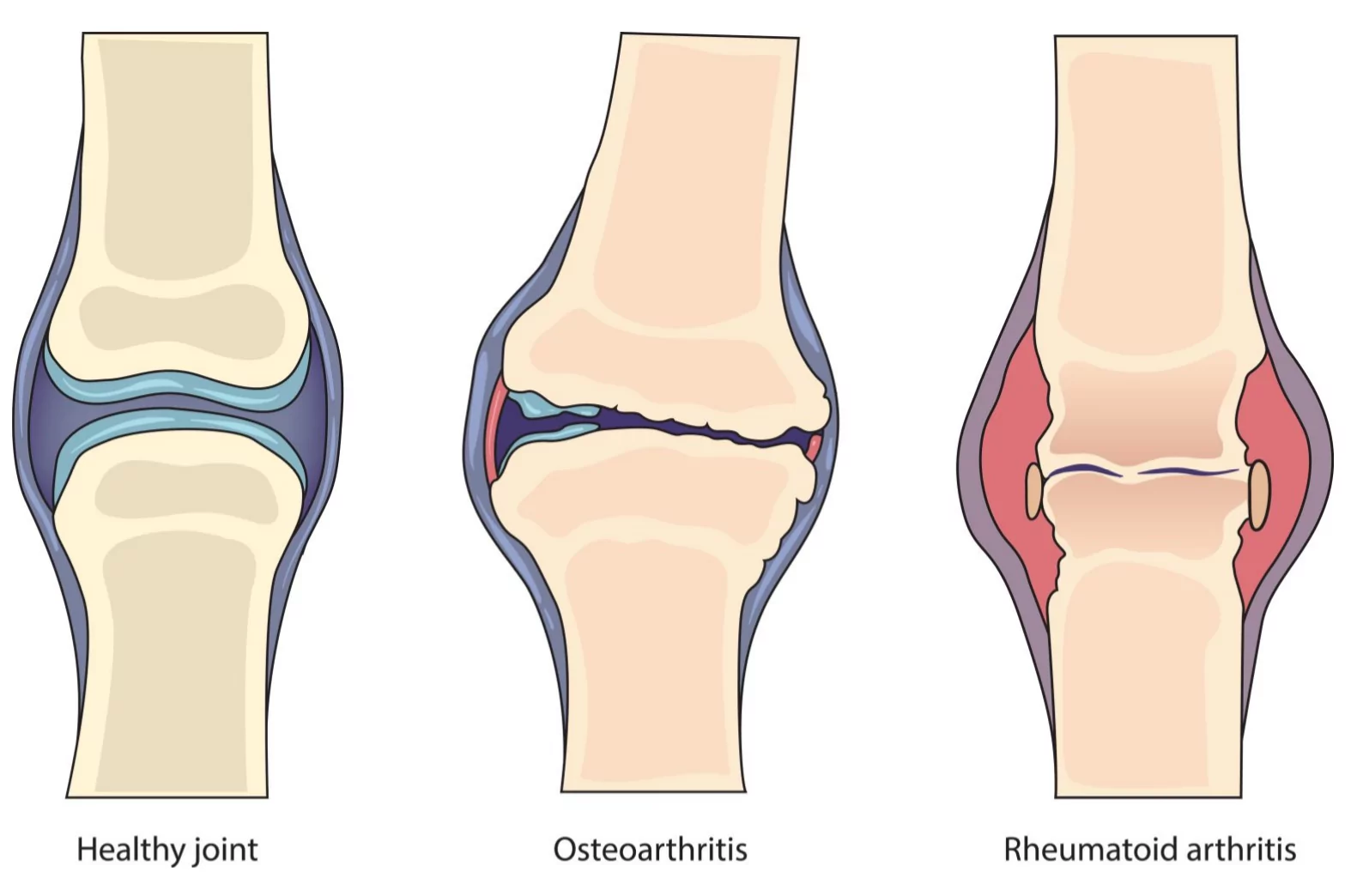
    Arthritis is a joint disorder featuring inflammation. A joint is an area of the body where two different bones meet. A joint functions to move the body parts connected by its bones. Arthritis literally means inflammation of one or more joints.Arthritis is frequently accompanied by joint pain. Joint pain is referred to as arthralgia.

    Arthritis Symptoms

    Symptoms of arthritis include pain and limited function of joints. Inflammation of the joints from arthritis is characterized by joint stiffness, swelling, redness, and warmth. Tenderness of the inflamed joint can be present. Loss of range of motion and deformity can result. Certain forms of arthritis can also be associated with pain and inflammation of tendons surrounding joints.

    Some forms of arthritis are more of an annoyance than a serious medical problem. However, millions of people suffer daily with pain and disability from arthritis or its complications. Moreover, many of the forms of arthritis, because they are rheumatic diseases, can cause symptoms affecting various organs of the body that do not directly involve the joints. Therefore, symptoms in some patients with certain forms of arthritis can also include fever, gland swelling, weight loss, fatigue, feeling unwell, and even symptoms from abnormalities of organs such as the lungs, heart, or kidneys.
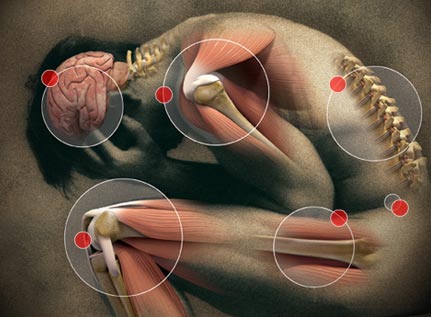
    Following are the signs that indicate the presence of this ailment:

    • Severe pain in the affected joints.
    • Muscles, ligaments and cartilage become inflamed.
    • Movement of the joint becomes extremely painful, especially in cold, windy and damp weather.

    It is notable that if this disease is not taken care of properly at the initial stages the joint becomes immobile and may also become permanently deformed.

    Tests & Diagnosis

    First, your doctor will take a detailed medical history to see if arthritis or another musculoskeletal problem is the likely cause of your symptoms.

    Next, a thorough physical examination may show that fluid is collecting in the joint. (This is called an “effusion.”) The joint may be tender when it is gently pressed, and may be warm and red (especially in infectious arthritis and autoimmune arthritis). It may be painful or difficult to rotate the joints in some directions. This is known as “limited range-of-motion.”

    In some autoimmune forms of arthritis, the joints may become deformed if the disease is not treated. Such joint deformities are the hallmarks of severe, untreated rheumatoid arthritis.

    Tests vary depending on the suspected cause. They often include blood tests and joint x-rays. To check for infection and other causes of arthritis (like gout caused by crystals), joint fluid is removed from the joint with a needle and examined under a microscope. See the specific types of arthritis for further information.

    Treatment

    Treatment of arthritis depends on the particular cause, which joints are affected, severity, and how the condition affects your daily activities. Your age and occupation will also be taken into consideration when your doctor works with you to create a treatment plan.

    If possible, treatment will focus on eliminating the underlying cause of the arthritis. However, the cause is NOT necessarily curable, as with osteoarthritis and rheumatoid arthritis. Treatment, therefore, aims at reducing your pain and discomfort and preventing further disability.

    It is possible to greatly improve your symptoms from osteoarthritis and other long-term types of arthritis without medications. In fact, making lifestyle changes without medications is preferable for osteoarthritis and other forms of joint inflammation. If needed, medications should be used in addition to lifestyle changes.

    Exercise for arthritis is necessary to maintain healthy joints, relieve stiffness, reduce pain and fatigue, and improve muscle and bone strength. Your exercise program should be tailored to you as an individual. Work with a physical therapist to design an individualized program, which should include:

    • Low-impact aerobic activity (also called endurance exercise)
    • Range of motion Exercises for flexibility
    • Strength training for muscle tone

    A physical therapist can apply heat and cold treatments as needed and fit you for splints or orthotic (straightening) devices to support and align joints. This may be particularly necessary for rheumatoid arthritis. Your physical therapist may also consider water therapy, ice massage, or transcutaneous nerve stimulation (TENS).

    Rest is just as important as exercise. Sleeping 8 to 10 hours per night and taking naps during the day can help you recover from a flare-up more quickly and may even help prevent exacerbations. You should also:

    • Avoid holding one position for too long.
    • Avoid positions or movements that place extra stress on your affected joints.
    • Modify your home to make activities easier. For example, have grab bars in the shower, the tub, and near the toilet.
    • Reduce stress, which can aggravate your symptoms. Try meditation orguided imagery. And talk to your physical therapist about yoga or tai chi.

    Other measures to try include:

    • Apply capsaicin cream (derived from hot chili peppers) to the skin over your painful joints. You may feel improvement after applying the cream for 3-7 days.
    • Eat a diet rich in vitamins and minerals, especially antioxidants likevitamin E. These are found in fruits and vegetables. Get selenium fromBrewer’s yeast, wheat germ, garlic, whole grains, sunflower seeds, and Brazil nuts. Get omega-3 fatty acids from cold water fish (like salmon, mackerel, and herring), flaxseed, rapeseed (canola) oil, soybeans, soybean oil, pumpkin seeds, and walnuts.
    • Taking glucosamine and chondroitin – these form the building blocks of cartilage, the substance that lines joints. These supplements are available at health food stores or supermarkets. While some studies show such supplements may reduce osteoarthritis symptoms, others show no benefit. However, since these products are regarded as safe, they are reasonable to try and many patients find their symptoms improve.

    Medications

    Your doctor will choose from a variety of medications as needed. Generally, the first drugs to try are available without a prescription. These include:

    • Acetaminophen (Tylenol): Recommended by the American College of Rheumatology and the American Geriatrics Society as first-line treatment for osteoarthritis. Take up to 4 grams a day (two arthritis-strength Tylenol every 8 hours). This can provide significant relief of arthritis pain without many of the side effects of prescription drugs. DO NOT exceed the recommended doses of acetaminophen or take the drug in combination with large amounts of alcohol. These actions may damage your liver.
    • Aspirin, ibuprofen, or naproxen: These nonsteroidal anti-inflammatory drugs (NSAIDs) are often effective in combating arthritis pain. However, they have many potential risks, especially if used for a long time. They should not be taken in any amount without consulting your doctor. Potential side effects include heart attack, stroke, stomach ulcers, bleeding from the digestive tract, and kidney damage. In 2005, the U.S.Food and Drug Administration (FDA) asked makers of NSAIDs to include a warning label on their product that alerts users of an increased risk for heart attack, stroke, and gastrointestinal bleeding. If you have kidney or liver disease, or a history of gastrointestinal bleeding, you should not take these medicines unless your doctor specifically recommends them.
    Share. Facebook Twitter Pinterest LinkedIn Reddit WhatsApp Telegram Email
    Previous ArticleTypes of Allergies and Facts of Allergies Explained
    Next Article About Nutraceuticals: All You Need To Know
    Doc. Mi
    • Website

    Doc. Mi is a seasoned health and performance specialist dedicated to translating complex medical science into actionable strategies for bodybuilders and athletes. With a focus on evidence-based nutrition, supplementation, and injury prevention, he provides the clear, trusted insights needed to achieve peak physical results and long-term wellness.

    Leave A Reply Cancel Reply

    bodypharm partner banner
    Top Posts

    Aamir Khan Workout And Diet

    April 11, 201229 Views

    Livagen Peptide: Boost Cellular Health and Slow Aging

    December 3, 202528 Views

    Low Blood Pressure Causes, Symptoms and Tests

    January 12, 202121 Views

    What is GHK-Cu? The Ultimate Guide to Benefits, Dosing, and Uses

    December 11, 202519 Views
    Don't Miss
    Celebs January 12, 2026

    Anna Faris Workout And Diet

    Anna Kay Faris (born November 29, 1976) is an American actress, singer and comedienne. She…

    The Definitive MOTS-C Dosing Guide: Protocol for Fat Loss and Performance

    What is GHK-Cu? The Ultimate Guide to Benefits, Dosing, and Uses

    How Trans Fat Increase Our Cholesterol

    Stay In Touch
    • Twitter
    • Pinterest
    • Vimeo
    • Mastodon
    About Us
    About Us

    Health-Today provides science-backed fitness and health strategies for dedicated men. We translate complex research into clear, actionable guides on training, nutrition, and wellness, empowering athletes and bodybuilders to achieve peak performance.

    Facebook X (Twitter) Pinterest YouTube WhatsApp
    Our Picks

    Anna Faris Workout And Diet

    The Definitive MOTS-C Dosing Guide: Protocol for Fat Loss and Performance

    What is GHK-Cu? The Ultimate Guide to Benefits, Dosing, and Uses

    Most Popular

    HCG Weight Loss Program Proved Its Benefits

    August 8, 20111 Views

    The Basics Of Acne (Pimples) And Its Causes

    August 15, 20111 Views

    Watermelon: A Natural Tip to Get Rid of Acne

    August 18, 20111 Views
    © 2011 - 2026 Health-Today.org. All content, branding, and materials are protected. The information on this website is for educational and informational purposes only; it is not medical advice. Always consult a healthcare professional.
    • Home
    • About Us
    • Medical Disclaimer
    • Editorial Standards
    • Affiliate Disclosure

    Type above and press Enter to search. Press Esc to cancel.