

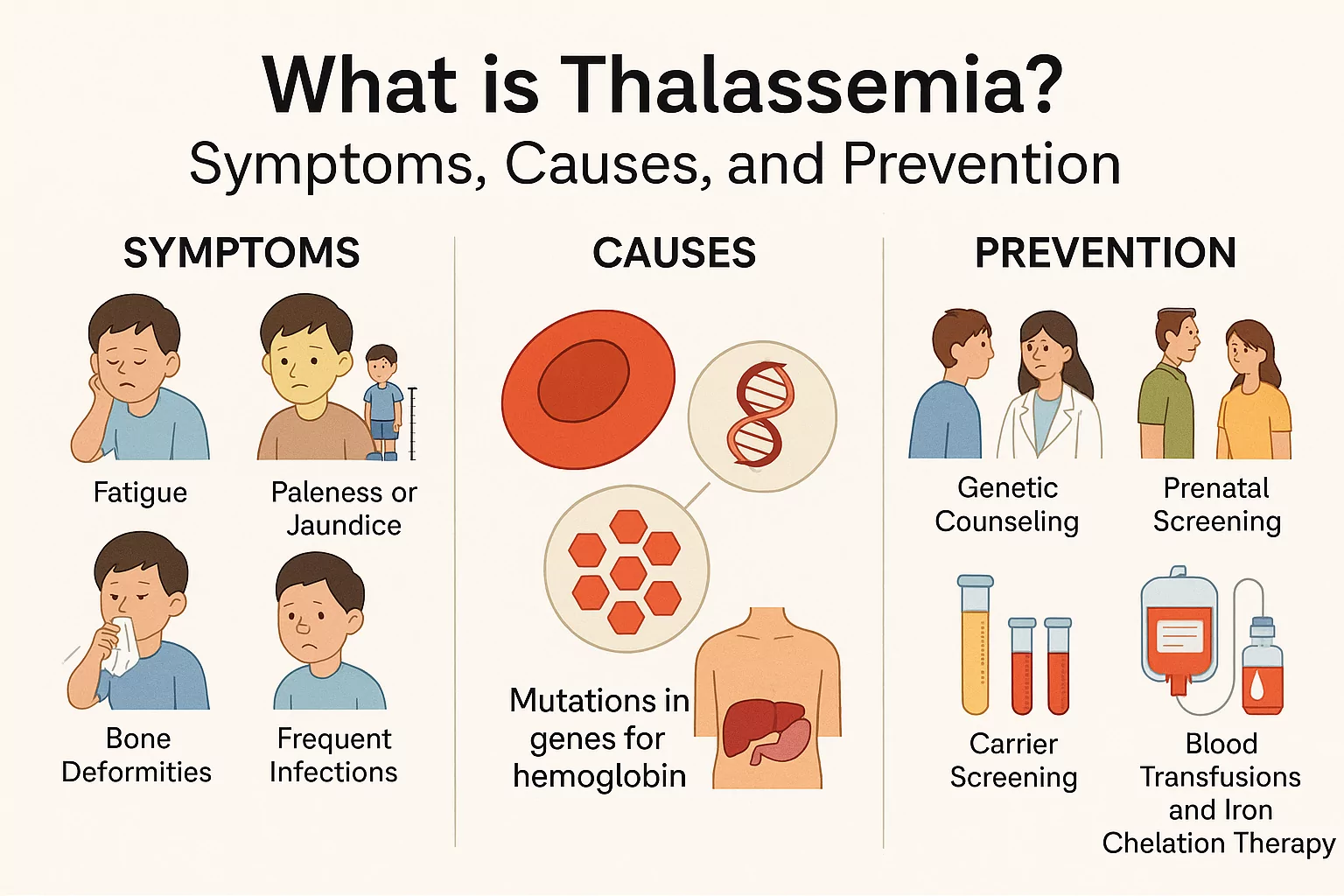
Thalassemia is a group of inherited disorders that affects the amount and type of hemoglobin a person produces. Hemoglobin (Hb or Hgb) is found in all red blood cells. A hemoglobin molecule is made up of heme, an iron-containing complex, and globin, protein chains that surround the heme complex. The types of protein chains found in the hemoglobin molecule affect its structure and function.
Treatment for thalassemia depends on which type you have and how severe it is.
Treatments for mild thalassemia
Signs and symptoms are usually mild with thalassemia minor and little, if any, treatment is needed. Occasionally, you may need a blood transfusion, particularly after surgery, after having a baby or to help manage thalassemia complications.
Standard Treatments For Thalassemia
Blood Transfusions
Transfusions of red blood cells are the main treatment for people who have moderate or severe thalassemias. This treatment gives you healthy red blood cells with normal hemoglobin.
During a blood transfusion, a needle is used to insert an intravenous (IV) line into one of your blood vessels. Through this line, you receive healthy blood. The procedure usually takes 1 to 4 hours.
Red blood cells live only for about 120 days. So, you may need repeated transfusions to maintain a supply of healthy red blood cells.
If you have hemoglobin H disease or beta thalassemia intermedia, you may need blood transfusions on occasion. For example, you may need this treatment when you have an infection or other illness, or when your anemia is severe enough to cause tiredness.
If you have beta thalassemia major, or Cooley’s anemia, you need regular blood transfusions (often every 2 to 4 weeks). These transfusions will help you maintain normal hemoglobin and red blood cell levels.
Blood transfusions allow you to feel better, enjoy normal activities, and live into adulthood. This treatment is lifesaving, but it’s expensive and carries a risk of transmitting infections and viruses (for example, hepatitis). However, the risk is very low in the United States because of careful blood screening.
Iron Chelation Therapy
Because the hemoglobin in red blood cells is an iron-rich protein, regular blood transfusions can lead to a buildup of iron in the blood. This condition is called iron overload. It damages the liver, heart, and other parts of the body.
To prevent this damage, iron chelation therapy is needed to remove excess iron from the body. Two medicines are used for iron chelation therapy.
- Deferoxamine is a liquid medicine that’s given slowly under the skin, usually with a small portable pump used overnight. This therapy takes time and can be mildly painful. Side effects include problems with vision and hearing.
- Deferasirox is a pill taken once daily. Side effects include headache, nausea (feeling sick to the stomach), vomiting, diarrhea, joint pain, and fatigue (tiredness).
Folic Acid Supplements
Folic acid is a B vitamin that helps build healthy red blood cells. You may need to take folic acid supplements in addition to treatment with blood transfusions and/or iron chelation therapy.
Other Treatments
Other treatments have been developed or are being tested, but they’re used much less often.
Blood and Marrow Stem Cell Transplant
A blood and marrow stem cell transplant replaces faulty stem cells with healthy ones from another person (a donor). Stem cells are the cells inside bone marrow that make red blood cells and other types of blood cells.
A stem cell transplant is the only treatment that can cure thalassemia. But only a small number of people who have severe thalassemias are able to find a good donor match and have the risky procedure.
Possible Future Treatments
Researchers are working to find new treatments for thalassemias. For example, it may be possible someday to insert a normal hemoglobin gene into stem cells in bone marrow. This will allow people who have thalassemias to make their own healthy red blood cells and hemoglobin.
Researchers also are studying ways to trigger a person’s ability to make fetal hemoglobin after birth. This type of hemoglobin is found in fetuses and newborns. After birth, the body switches to making adult hemoglobin. Making more fetal hemoglobin may make up for the lack of healthy adult hemoglobin.
Treating Complications
Better treatments now allow people who have moderate and severe thalassemias to live much longer. As a result, these people must cope with complications that occur over time.
An important part of managing thalassemias is treating complications. Treatment may be needed for heart or liver diseases, infections, osteoporosis, and other health problems.