

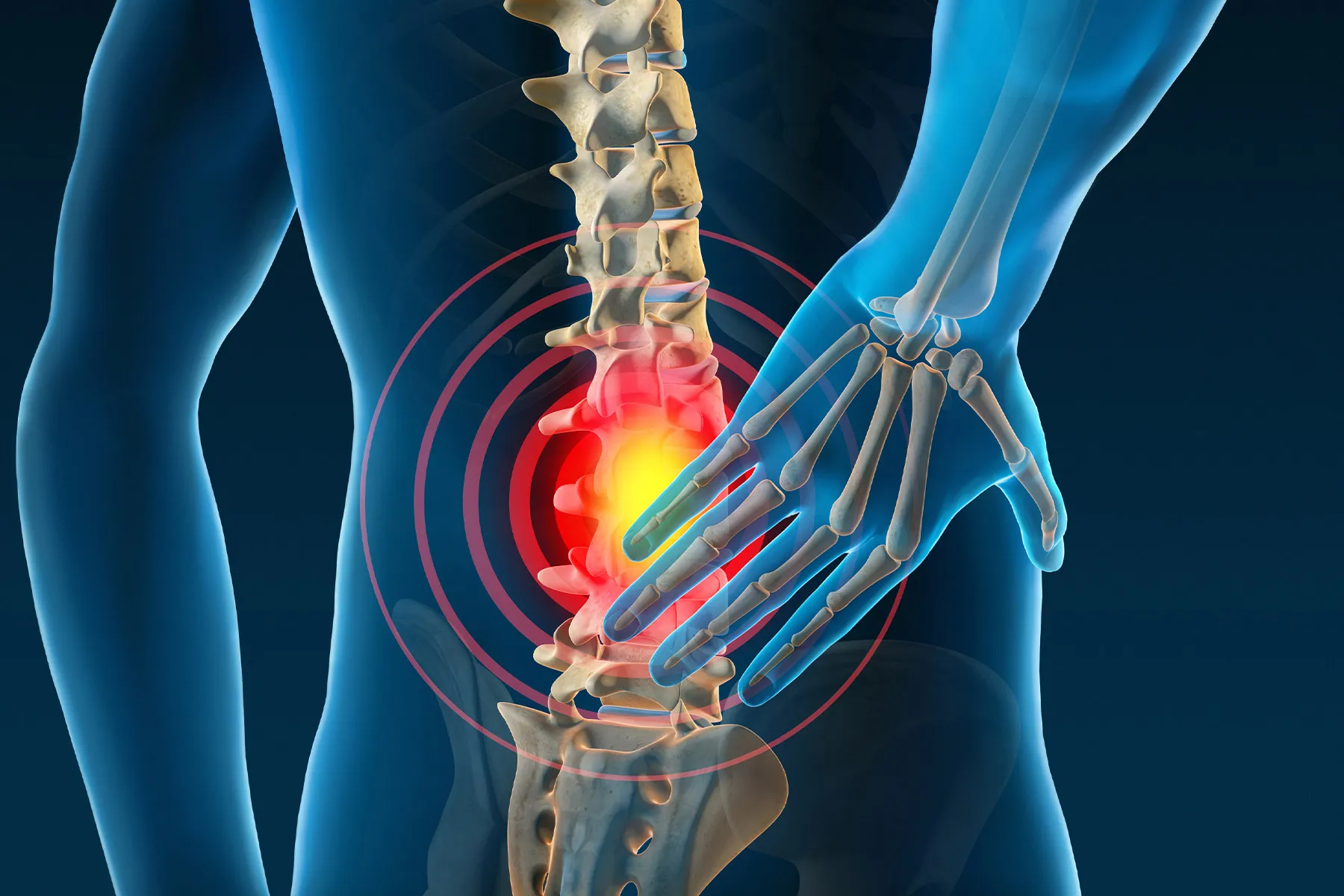
Back pain (also known “dorsalgia“) is pain felt in the back that usually originates from the muscles, nerves, bones, joints or other structures in the spine.
Back Pain Tests
Diagnostic tests aren’t usually necessary to confirm the cause of your back pain. However, if you do see your doctor for back pain, he or she will:
- Examine your back and assess your ability to sit, stand, walk and lift your legs.
- May also test your reflexes with a rubber reflex hammer.
- These assessments help determine where the pain comes from, how much you can move before pain forces you to stop and whether you have muscle spasms. They will also help rule out more serious causes of back pain.
If there is reason to suspect that you have a tumor, fracture, infection or other specific condition that may be causing your back pain, your doctor may order one or more tests:
- Blood and urine tests. Your doctor may order these lab tests to determine whether an underlying disease or infection may be contributing to your back pain.
- X-ray. These images show the alignment of your bones and whether you have arthritis or broken bones. X-ray images won’t directly show problems with your spinal cord, muscles, nerves or disks.
- Magnetic resonance imaging (MRI) or computerized tomography (CT) scans. These scans can generate images that may reveal herniated disks or problems with bones, muscles, tissue, tendons, nerves, ligaments and blood vessels.
- Bone scan. In rare cases, your doctor may use a bone scan to look for bone tumors or compression fractures caused by osteoporosis. In this procedure, you’ll receive an injection of a small amount of a radioactive substance (tracer) into one of your veins. The substance collects in your bones and allows your doctor to detect bone problems using a special camera.
- Nerve studies (electromyography, or EMG). This test measures the electrical impulses produced by the nerves and the responses of your muscles. Studies of your nerve-conduction pathways can confirm nerve compression caused by herniated disks or narrowing of your spinal canal (spinal stenosis).
Back Pain Treatment
Prior to starting any type of treatment, it is always advisable to first see an appropriately trained spine specialist to develop an appropriate treatment program for your specific condition and medical history.
The main goals for managing back pain in the lumbar spine (lower back) usually include:
- Providing enough pain relief to be able to actively participate with physical therapy and rehabilitation.
- Preventing further injury or stress to the spine through improved ergonomics and posture.
- Maintaining an ability to function enough at home and at work.
Medications
Your doctor is likely to recommend pain relievers such as acetaminophen (Tylenol, others) or nonsteroidal anti-inflammatory drugs, such as ibuprofen (Advil, Motrin, others) or naproxen (Aleve, others). If mild to moderate back pain doesn’t get better with over-the-counter pain relievers, your doctor may also prescribe a muscle relaxant.
Narcotics, such as codeine or hydrocodone, may be used for a short period of time with close supervision by your doctor.
Low doses of certain types of antidepressants — particularly tricyclic antidepressants, such as amitriptyline — have been shown to relieve chronic back pain, independent of their effect on depression.
Exercise
Although exercise is usually not advisable for acute back pain, proper exercise can help ease chronic pain and perhaps reduce the risk of it returning. The following four types of exercise are important to general physical fitness and may be helpful for certain specific causes of back pain:
- Flexion: The purposes of flexion exercises, which are exercises in which you bend forward, are to (1) widen the spaces between the vertebrae, thereby reducing pressure on the nerves; (2) stretch muscles of the back and hips; and (3) strengthen abdominal and buttock muscles. Many doctors think that strengthening the muscles of the abdomen will reduce the load on the spine. One word of caution: If your back pain is caused by a herniated disk, check with your doctor before performing flexion exercises because they may increase pressure within the disk, making the problem worse.
- Extension: With extension exercises, you bend backward. They may minimize radiating pain, which is pain you can feel in other parts of the body besides where it originates. Examples of extension exercises are leg lifting and raising the trunk, each exercise performed while lying prone. The theory behind these exercises is that they open up the spinal canal in places and develop muscles that support the spine.
- Stretching: The goal of stretching exercises, as their name suggests, is to stretch and improve the extension of muscles and other soft tissues of the back. This can reduce back stiffness and improve range of motion.
- Aerobic: Aerobic exercise is the type that gets your heart pumping faster and keeps your heart rate elevated for a while. For fitness, it is important to get at least 30 minutes of aerobic (also called cardiovascular) exercise three times a week. Aerobic exercises work the large muscles of the body and include brisk walking, jogging, and swimming. For back problems, you should avoid exercise that requires twisting or vigorous forward flexion, such as aerobic dancing and rowing, because these actions may raise pressure in the disks and actually do more harm than good. In addition, avoid high-impact activities if you have disk disease. If back pain or your fitness level make it impossible to exercise 30 minutes at a time, try three 10-minute sessions to start with and work up to your goal. But first, speak with your doctor or physical therapist about the safest aerobic exercise for you.
Surgery
Few people ever need surgery for back pain. If you have unrelenting pain associated with radiating leg pain or progressive muscle weakness caused by nerve compression, you may benefit from surgical intervention. Otherwise, surgery usually is reserved for pain related to structural anatomical problems that haven’t responded to intensive conservative therapy measures.
Types of back surgery include:
- Fusion. This surgery involves joining two vertebrae to eliminate painful movement. A bone graft is inserted between the two vertebrae, which may then be splinted together with metal plates, screws or cages. A drawback to the procedure is that it increases the chances of arthritis developing in adjoining vertebrae.
- Partial removal of disk. If disk material is pressing or squeezing a nerve, your doctor may be able to remove just the portion of the disk that’s causing the problem.
- Partial removal of a vertebra. If your spine has developed bony growths that are pinching your spinal cord or nerves, surgeons can remove a small section of the offending vertebra, to open up the passage.