
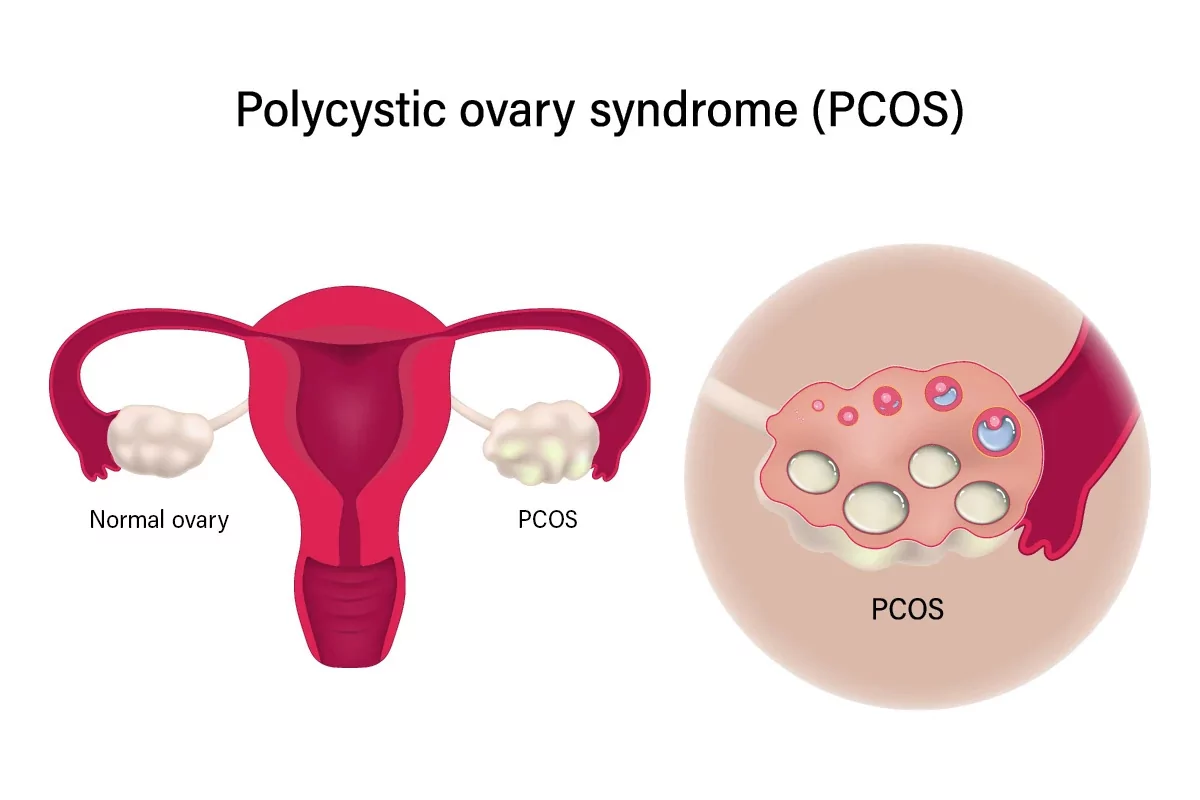
Many conditions can cause a woman to have trouble getting pregnant. Ovulation disorder is a common cause. Polycystic ovarian syndrome, or PCOS, is a condition that may result in disordered ovulation, in addition to other symptoms. Making dietary changes is proven to have measurable, positive impact on the fertility of women with PCOS.
Polycystic Ovary Syndrome is the most common hormonal disorder among women of reproductive age, and if left unchecked, is linked to serious health issues like infertility, type 2 diabetes, heart disease, and endometrial cancer.We explains this increasingly diagnosed disorder and introduces the holistic symptom-management program we developed by working with hundreds of patients. With our proven diet and lifestyle-based program, you can influence your reproductive hormones and take charge of your health. Featuring a carbohydrate distribution approach at its core, The PCOS Diet Plan also zeroes in on exactly what exercise, supplements, and self-care choices you can make to feel better every day.

Insulin is a hormone which is produced in the pancreas with the primary function of converting the foods (especially carbohydrates) in to the energy. It helps in the transport of glucose to our muscles, fat and liver cells through blood stream. However, during PCOS, this function tends to get impaired, due to which the process of getting the glucose out of the blood into the cells gets affected. The result is that the body secretes more and more of insulin to get this excess glucose out of the blood and in turn creates havoc with the hormonal levels, abilityto lose weight, LDL and triglycerides levels. Hence, the best way to treat PCOS and its symptoms would be to correct the underlying insulin resistance problem with diet, exercise and if needed, weight loss.
With information on how to develop healthy meal plans, choose a sustainable exercise routine, relieve stress, address fertility issues, and find emotional support, this accessible, all-in-one guide will be your trusted companion to a better life.
Diet For PCOS – FATS
You can improve your diet by choosing the appropriate amounts and types of fat and oils. If you are overweight, you can benefit from consuming less than 25% of total calories as fat. Eating the right kind of fats and oils is very important. Olive oil and fish oil supplements are HEALTHY choices.
We recommend you increase your consumption of omega-3 fats, which is one of the essential fatty acids or EFAs. The word “essential” means they are essential for life and must be obtained from the diet because they are not manufactured inside your body. Omega-3 fats are found in cod liver oil, EPA/DHA capsules, and in fatty fish such as salmon, sardines and mackerel.
We also recommend you eliminate trans-fatty acids from your diet. A trans-fat is an unsaturated liquid oil that has been chemically transformed into a saturated fat so that it will be a solid instead of a liquid. Margarine, which is a solid made from a liquid, is an example of a product containing trans-fats. The problem with trans-fats is that they have been implicated as contributors to heart disease and diabetes. We have every reason to believe they also contribute to PCOS problems. In packaged products, you can identify a trans-fat by the word “partially hydrogenated”. If you see “partially hydrogenated” on any food product label, we recommend that you not consume that product.
Diet For PCOS – PROTEIN
The consumption of protein is another complex topic. Some of you are on low carbohydrate diets that emphasize adequate protein. If your protein is land animal protein, it also means you may be eating a high saturated fat diet, because saturated fats are found in most animal protein. A diet high in saturated fat is associated with heart disease and diabetes. It also indirectly alters your hormonal patterns.
Consider animal protein foods that are lower in saturated fat such as fish, non-fat cheese, turkey and chicken. Convenient plant-based proteins are soy and rice protein powders, which are free of saturated fat.
Diet For PCOS- CARBOHYDRATES
The amount and type of carbohydrate you eat will influence your hormones. A diet high in refined carbohydrates will lead to an excessive insulin response, which in turn can stimulate the androgen production that contributes to hirsutism and other PCOS symptoms.
You’ve probably heard about “low-glycemic carbohydrates”. Carbohydrates (starches and sugars) are found in grains, nuts, seeds, vegetables and fruit – and in all manufactured products containing these items. A low-glycemic carbohydrate is one that causes only a small rise in blood sugar, thus avoiding a problem with insulin, which is the hormone that lowers blood sugar.
For example, a rice cracker is a refined carbohydrate. Brown rice is a complex carbohydrate. Not only does brown rice give you better nutrition, it’s also lower on the glycemic index. You will be healthier and have better balance of your hormones if you consume unrefined, complex carbohydrates as opposed to refined carbohydrates. A complex carbohydrate is something you find in nature, not at the end of an assembly line.
And don’t forget that fresh vegetables, fresh fruit, and unprocessed nuts and seeds are nutritious sources of essential fats and protein as well as complex carbohydrates.
Diet For PCOS – FLUIDS
Even what you drink can have an effect on hirsutism and other PCOS difficulties. For example, studies show that the ingredients in green tea can reduce the effects of testosterone.
Diet For PCOS – CALORIE RESTRICTION
We’ve spoken about the type of foods to eat. But how much should you eat? A very modest level of calories appears to be effective for reducing insulin levels and increasing sex hormone binding globulin (SHBG). SHBG is necessary for the control of testosterone. In one small study using a low-calorie, low-fat diet, 40% of hirsute obese women who lost at least 5% of their body weight had a reduction in hirsutism.
However, low-calorie diets are potential gateways to eating disorders and health-devastating failure experiences. Any calorie restricted diet or any other major change in your diet should be done with the support and supervision of a knowledgeable healthcare provider.
Exercise on a regular basis to lose weight and improve insulin response. The above are just a few tips to guide you on a healthy path and to fight PCOS. An individualized diet strategy shall aid in lowering weight, decreasing the insulin resistance and also to improve your heart and over all health.