

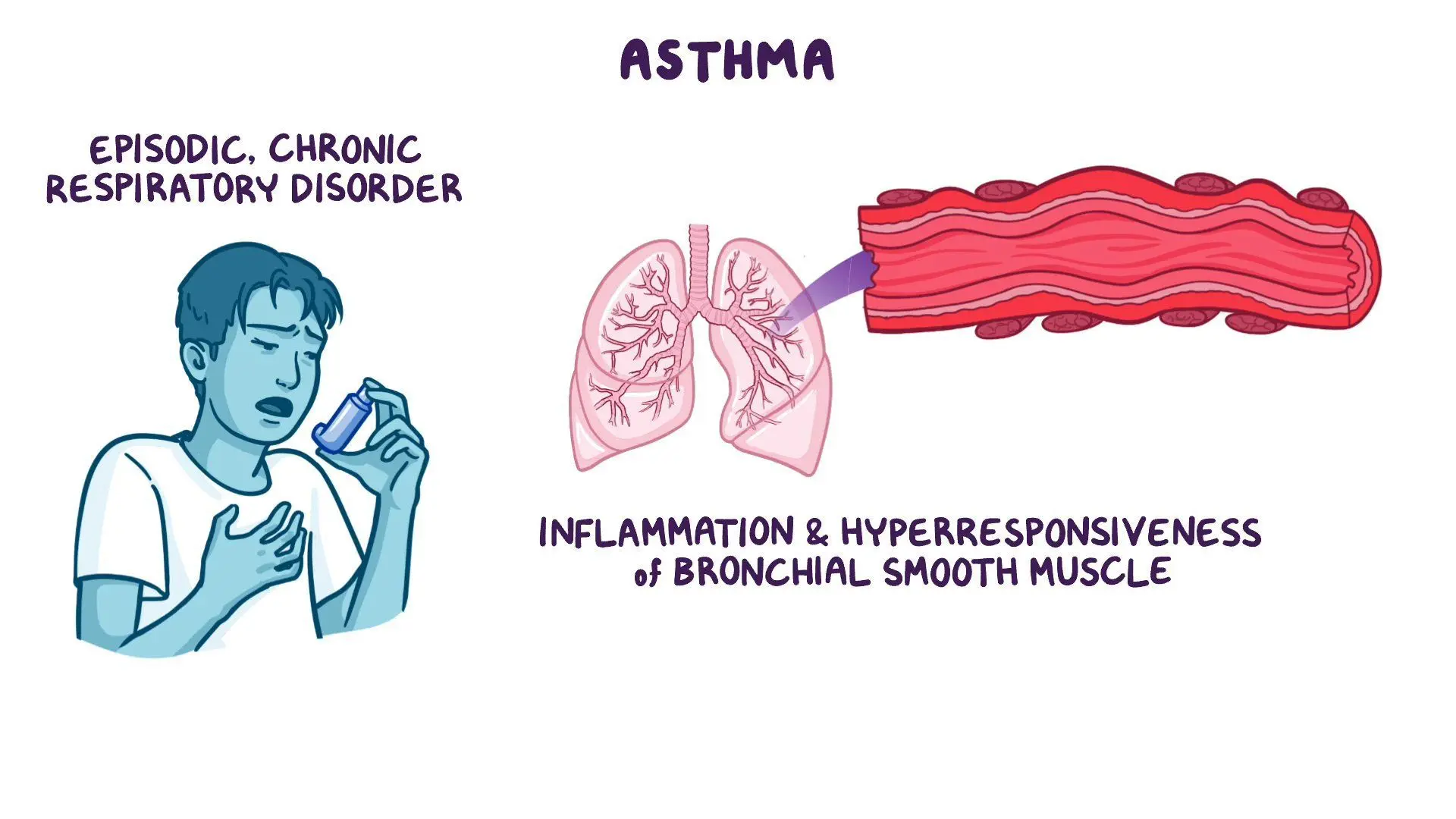
Asthma is a chronic disease in which sufferers have repeated attacks of difficulty in breathing and coughing. There seems to be an increase in the amount of asthma all over the world, especially in children.
To understand what happens in asthmatic attacks it is helpful to visualise the basic structure of the airway tubes of the lung.The main airway (windpipe, trachea) of the body is about 2-3cm across. It divides into its main branches (bronchi), which lead to the right and left lung, which divide further, like the branches of a tree, to supply air to all parts of the lungs.
According to the Asthma and Allergy Foundation of America, as many as half of all people with moderate to severe asthma also have chronic sinusitis.Along with all the problems caused by asthma, having sinusitis can be tough to handle. It can make you feel sick and miserable.
Without good treatment, it can last for months or even years. What’s worse, one condition can worsen the other. Sinusitis has been associated with more severe cases of asthma. So not only does having asthma increase the odds of getting a sinus infection, but a sinus infection can make your asthma harder to control.
When asthma symptoms appear and are diagnosed in adults older than 20, it is typically known as adult-onset asthma. About half of adults who have asthma also have allergies. At other times, adult-onset asthma may be the result of commonplace substances in work (called occupational asthma) or home environments, and the asthma symptoms come on suddenly.
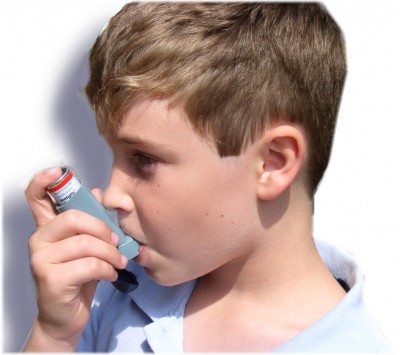
How to Avoid Fall Asthma
The best way to prevent getting sick this autumn is to take some simple steps to stay in good health. Enjoy the season and breathe easy with these five tips to avoid sickness:
- Take care of yourself. It’s important to eat a balance diet, exercise regularly, manage your stress level, and get plenty of sleep to keep yourself feeling your best. This can help strengthen your immune system so you can fight against the array of germs you’re sure to come into contact with this season.
- Use a cool mist humidifier, especially when you are sleeping and/or sick. When the air is dry, as stated above due to heat or climate in your region, use a cool mist humidifier, especially at night, and preferably near you if possible. Warm mist humidifiers, while often cleaner, warm the bronchial which can cause a problem. You don’t want to warm them; you just want to moisturize them.
- Wash your hands often with soap and hot water. The Centers for Disease Control and Prevention (CDC) say this is crucial to avoid getting sick and to prevent passing on germs to others. When you don’t have access to a sink, the CDC suggests using a hand sanitizer that has at least 60 percent alcohol to kill any germs on your hands. It’s also essential to steer clear of sick people to minimize your exposure to germs.
- Drink plenty of water. Drink even more if you are sick or exercising. The average amount of water a person is suppose to drink is 8-8oz glasses of water per day. However, many people require more. Drink your water throughout the day, paying attention to thirst signals. If you have a dry mouth, you are already dehydrated!
- Avoid allergy triggers. While you might associate spring and summer as high allergy season, many people with allergic asthma suffer as much in the fall. Outdoor fall allergens include pollen, mold spores, and ragweed, while inside triggers include dust mites, mold, scented products, chemicals, and pet dander. Some researchers suggest that even if you can’t prevent getting a cold, by minimizing your exposure to other triggers, you may be able to prevent the illness from making your asthma worse.
- Get a flu shot. The American Academy of Allergy, Asthma, and Immunology (AAAAI) recommends that adults with asthma get a flu shot every year. Ideally, this will keep you from getting sick. But if you do come down with an illness anyway, the experts say that being vaccinated can also help minimize the severity of your symptoms and head off asthma and the flu.
- Use your asthma medications as directed. If a cold or virus strike despite your best stay-healthy attempts, if your asthma is well managed, you will be better able to weather the illness and prevent it from turning into something more serious. Therefore, be sure to take your control medications regularly and monitor your symptoms. If you notice an increase of fall asthma flare-ups, check with your doctor about changing your asthma control strategy or trying some new medications.
What might trigger acute asthma attacks?
- Exertion.
- Cold.
- Smoke.
- Air pollution including exposure to certain chemicals. An example is isocynates which are used in some painting and plastics industries.
- Airway infection.
- Allergies, eg to pollens, house dust mites, domestic animals (especially cats), aspirin and non-steroidal anti-inflammatory drugs (NSAIDs) such as ibuprofen.